
In Barmer and Jaisalmer, western Rajasthan, inadequate health infrastructure, remote terrain, and socio-economic barriers hinder access to services, leaving rural women most vulnerable amid rising population and widespread inequities in healthcare access.
In Barmer and Jaisalmer districts of western Rajasthan, health is not merely a medical issue but a fundamental crisis of access, awareness, and equity. According to the 2011 census, Barmer recorded the highest population growth rate in the entire country at 36.83%, yet its health infrastructure remains catastrophically inadequate. The difficult geographical terrain and scattered population distribution across remote villages make it nearly impossible for services to reach people. Sub-centers remain 15 to 25 kilometers away from most villages. Inaccessibility to basic facilities, lack of education, and poor socio-economic status have resulted in dismal health profiles, especially for rural women who remain the most vulnerable.
The health challenges are multifaceted and interconnected: inadequate healthcare for infants and children, poor reproductive health with insufficient antenatal and postnatal care for mothers, diseases associated with poverty including malaria, pneumonia, and anemia, dependency on traditional health practitioners often outdated with medical practices, abysmal rural sanitation, and the burden of disease imposed upon women by patriarchal culture including child marriage. Stark regional and social disparities, increasing discrimination against women, and poor conditions of health services demand urgent, comprehensive interventions.
Mahila Mandal Barmer Agor recognized these challenges decades ago and developed a sophisticated, community-based health intervention model that works within existing government systems while filling critical gaps through grassroots mobilization, capacity building, awareness generation, and persistent advocacy. MMBA’s health work doesn’t merely treat illness—it transforms health-seeking behaviors, empowers communities to demand their rights, strengthens government health intermediaries, and creates sustainable systems for maternal, child, adolescent, and community health.
The Current Health Crisis: Understanding the Context
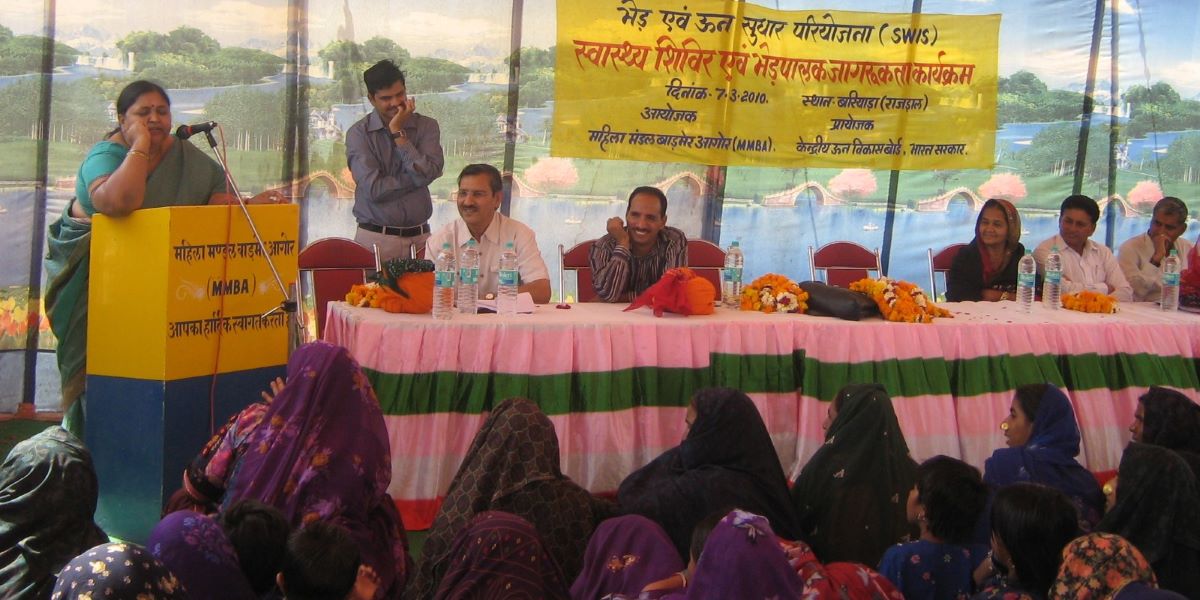
Understanding health status in Barmer itself constitutes a difficult task. District and health administration are unable to meet basic health requirements of people while facing the huge challenge of rapid population growth. Healthcare for infants and children remains severely deficient—only 29.8% of children receive complete immunization according to schedule. Reproductive health services barely reach rural women. Antenatal and postnatal care of mothers remains grossly inadequate, with most deliveries still conducted by untrained traditional birth attendants in conditions that jeopardize both mother and newborn.
Diseases associated with poverty—malaria despite the arid climate (breeding in freshwater sources), pneumonia especially among children, anemia particularly affecting women and girls, waterborne diseases from contaminated sources, and seasonal diseases—continue causing preventable deaths and disabilities. Poor rural sanitation creates endless cycles of infection and illness. The burden falls disproportionately on women and children, Dalits, and the poorest families who cannot afford private healthcare and find government facilities inaccessible both geographically and systemically.
MMBA’s Reproductive and Child Health (RCH) program addresses inadequacies in healthcare facilities through comprehensive, multi-pronged interventions across Barmer and Jaisalmer districts. The main objective involves strengthening health intermediaries and building constant pressure to facilitate healthcare through district government systems. The approach recognizes that sustainable health improvement requires both service delivery and systemic change, both individual behavior modification and collective community action, both immediate treatment and long-term prevention.
In MMBA’s target villages, Village Health Committees (VHCs) have been formed as the cornerstone of community health governance. Members are selected at village-level meetings, ensuring democratic representation and local ownership. Each committee comprises 15-20 members drawn from Self Help Groups, representatives from Panchayati Raj Institutions, social leaders, and representatives from all communities in the village—ensuring diversity and inclusivity.
MMBA’s health workers maintain constant contact with these VHCs. Once committees are formed, sensitization meetings are organized where members receive in-depth knowledge on health issues, government health programs, community health monitoring techniques, and advocacy strategies. The VHCs hold critical roles and responsibilities that transform them from passive recipients of health services to active demanders and monitors of healthcare quality.
The committees monitor activities of government health intermediaries—ensuring ANMs (Auxiliary Nurse Midwives) visit regularly, checking that immunization schedules are followed, verifying that medicines are available at sub-centers. They monitor the health situation in villages, tracking disease outbreaks, identifying vulnerable populations, maintaining village health registers with birth, death, and disease data. They act as “pressure groups” to create and demand services from government service providers—submitting applications, organizing deputations to health officials, refusing to accept inadequate services. They engage in advocacy for health facilities in villages, persistently demanding better infrastructure, regular staff presence, adequate medicine supplies, and respectful treatment of patients. They motivate villagers in health-seeking behavior, encouraging facility-based deliveries, regular immunization, proper nutrition, and hygiene practices.
Through these committees, MMBA has created permanent community structures that continue functioning beyond project periods, institutionalizing health awareness and accountability.
Most deliveries in rural Rajasthan occur at home, attended by Traditional Birth Attendants (TBAs), locally called “Dais.” These women hold respected positions in village social structures, called upon for births across generations. However, most remain untrained in safe delivery practices, relying on traditional methods that often jeopardize health and lives of mothers and newborns. Unskilled persons attending deliveries can cause complications—postpartum hemorrhage from improper placenta removal, neonatal asphyxia from delayed resuscitation, infections from non-sterile practices, and maternal deaths from unrecognized danger signs.
MMBA identified this critical gap and systematically addressed it through Dai capacity-building programs. In target villages, Traditional Birth Attendants were identified—often older women, sometimes younger ones learning from mothers or mothers-in-law, recognized by communities as birth attendants. These Dais received 5-day preliminary training covering antenatal care (recognizing danger signs in pregnancy, advising on nutrition and rest, encouraging facility visits for complications), natal care with emphasis on safe delivery practices (maintaining cleanliness, using sterilized equipment, proper cord cutting and care, recognizing when to refer to facilities), postnatal care (monitoring mother and baby, promoting breastfeeding, identifying postpartum complications), and family planning including information about contraceptive methods and birth spacing importance.
The training statistics demonstrate massive scale: in 2010-11, 12 training sessions were conducted with 572 Dais trained; in 2011-12, 14 training sessions trained 618 Dais; programs continued annually reaching hundreds more. Beyond initial training, health workers contact Dais monthly, conduct meetings, collect reports, provide ongoing mentorship, and address challenges. Trained and committed Dais receive modest honorariums recognizing their invaluable service—providing dignity and incentive for continued quality work.
The transformation has been remarkable. Trained TBAs now motivate villagers toward health-seeking behavior, coordinate with government health functionaries for immunization activities, recognize complications requiring facility referral, maintain cleaner practices reducing infection rates, and serve as trusted health educators within communities. Apart from safe delivery, these TBAs possess knowledge on immunization of children, better antenatal care, health of mothers including nutrition and post-delivery care, and control of communicable diseases.
Despite performing most rural deliveries, Dais historically received neither payment nor recognition. If an ANM (government health worker) conducted the same delivery, she received government salary plus community incentives. This inequity left Dais invisible and undervalued despite their critical role. MMBA organized Dais into a forum named “Dai Manch” for advocacy of their rights.
Once every three months, meetings are conducted with Dai Manch members for capacity building and raising voices for rights. Through collective organization, Dais gained confidence to demand recognition from government, negotiate for incentives, share learning and challenges with peers, and advocate for policy changes that value their work. This collectivization transformed isolated, powerless birth attendants into a recognized force in community health systems.
In MMBA’s target villages, birth of each child is now properly registered—a critical first step for ensuring immunization. Health workers and Anganwadi workers arrange immunization of every child according to prescribed schedules. However, project villages are located in remote areas with no easy access to healthcare facilities. Without convenient facilities and in the absence of transportation, immunization becomes nearly impossible. Carrying vaccines on foot or irregular buses from village to village requires long duration. Under extreme hot climatic conditions of the region, vaccines lose potency during transport.
MMBA addressed these logistical challenges by proposing to conduct immunization and primary healthcare services through hired vehicle facilities, ensuring vaccines remain properly stored and reach villages while still potent. Cooperation is sought from concerned health centers for vaccines, medicines, and ANM participation. Through MMBA’s constant intervention, the organization facilitated immunization of more than 300 children in documented program years.
Village-level awareness generation meetings motivate communities for regular and total immunization of children as per health department schedules. ANMs of concerned villages are sensitized for regular visits and timely immunization. The persistent challenge remains that only 29.8% of children receive complete immunization—MMBA’s work aims to dramatically increase this percentage through awareness, facilitation, and advocacy.
Regular women’s health meetings are conducted at village level to generate awareness on critical reproductive health issues. These meetings cover breastfeeding practices (exclusive breastfeeding for six months, proper latching techniques, addressing common problems, nutritional requirements for lactating mothers), nutrition food (what pregnant and lactating women should eat, iron and calcium importance, traditional nutritious foods available locally, avoiding harmful practices), vitamin supplementation (iron-folic acid tablets during pregnancy, vitamin A for postpartum mothers), immunization importance for mothers (tetanus toxoid injections protecting both mother and baby), and small family norms (advantages of child spacing, family planning methods, male involvement in family planning).
Additionally, meetings address adolescent reproductive health (menstrual hygiene, recognizing danger signs, nutritional needs during adolescence, delaying marriage and childbearing), life skills education (decision-making, negotiation, assertiveness, recognizing and resisting abuse), and gender equality and equity (challenging harmful practices, women’s rights in health decision-making, male responsibility in reproductive health). These meetings create safe spaces where women discuss intimate health matters, learn from peers, challenge harmful traditional practices, and build collective knowledge and confidence.
MMBA provides life skills education to adolescents through village-level meetings, recognizing that adolescence represents a critical period for establishing health knowledge, attitudes, and behaviors. Adolescents gain information and skills through trained teachers and peer educators in selected schools, and through trained animators for out-of-school adolescent girls. The program aims to change current behavior of communities toward identified ideal behaviors and feasible practices.
Adolescent health education covers physical changes during puberty, menstrual hygiene management, nutrition for growth, preventing anemia, reproductive health basics, delaying marriage and childbearing, continuing education, life skills including self-esteem and decision-making, recognizing and reporting abuse, and understanding rights. Adolescent groups are formed, providing peer support and collective learning spaces. These empowered adolescents often become health educators for younger siblings and peers, creating multiplier effects.
MMBA ensures that all eligible children, pregnant mothers, and lactating mothers receive supplementary food available at Anganwadi Centers through regular visits and sensitization of Anganwadi workers. In documented program years, 14,270 pregnant and lactating mothers and 18,812 eligible children received supplementary food. In subsequent years, 1,396 pregnant and lactating mothers and 17,519 eligible children benefited.
Advocacy events are conducted, and regular contacts are maintained with the Deputy Director of ICDS (Integrated Child Development Services) and CDPOs (Child Development Project Officers) of respective blocks to ensure qualitative supplementary food remains available. MMBA’s monitoring includes checking food quality, verifying regular distribution, ensuring no discrimination in access, and advocating when shortages occur. This vigilance ensures that nutrition programs reach intended beneficiaries rather than disappearing through corruption or inefficiency.
All Anganwadi Centers in target areas have been activated through efforts of village-level pressure groups formed by MMBA. These groups monitor whether centers open regularly, whether workers are present, whether services are provided with respect and care, and whether entitled benefits reach families. When centers function poorly, pressure groups submit complaints, organize community meetings with officials, and persist until improvements occur. This community monitoring dramatically improves government service quality.
Inaccessibility to contraceptives in remote villages and hamlets constitutes a major reason for low contraceptive use among rural eligible couples, resulting in repeated and unwanted pregnancies without proper spacing. This causes deterioration of health for mothers, children, and families as a whole. In typical cases, villagers are hesitant to use contraceptive pills and condoms due to cultural taboos and misinformation.
To increase accessibility and promote contraceptive use, MMBA opens contraceptive outlets in villages through petty shops, ration and kerosene dealers, and Anganwadi centers. Making contraceptives like condoms and oral pills available at these outlets enables discreet access without traveling long distances or facing social stigma at government facilities.
For effective contraceptive usage, Self Help Group members are sensitized first. Initially, SHG members are hesitant to talk about or hear about contraceptives due to cultural conditioning. However, once these members become confident and overcome hesitation through group discussions and education, they easily influence other women to consider contraceptives. SHG women become champions of family planning in their communities, providing peer education that proves far more effective than top-down government messaging.
To promote health education widely, health information is written on walls of schools, houses, buildings, water tanks, and other public structures. This generates awareness among literate people and builds curiosity among illiterates who ask others to read messages. Wall writings remain visible for long periods, continuously delivering messages.
Messages in local languages cover pregnancy care (danger signs, nutrition, rest, facility visits), risk factors during pregnancy and delivery, immunization schedules and importance, safe delivery practices, exclusive breastfeeding benefits, birth spacing advantages, nutrition for women and children, health rights (what services people are entitled to), services available at healthcare centers, role of men in healthcare (family planning as shared responsibility, supporting pregnant wives, caring for children), and encouraging health-seeking behavior.
These permanent visual reminders normalize health discussions, provide information in accessible formats, and create community-wide awareness that transcends literacy barriers.
MMBA has formulated village-level pressure groups in 882 villages across the working area to strengthen health facilities and check corruptions in services provided at village level. Each pressure group contains 10-15 active male and female members from the community. These groups advocate for ensuring real beneficiaries receive health facilities provided by concerned government departments.
Pressure groups monitor health worker attendance and performance, check medicine availability at sub-centers, verify immunization schedule compliance, ensure pregnant women receive entitled benefits, demand prompt attention to health complaints, expose corruption when services are diverted or sold, organize community meetings when services fail, submit petitions to block and district health officials, and refuse to accept inadequate or disrespectful treatment.
Through persistent monitoring and collective action, these pressure groups have dramatically improved government health service delivery—health workers now visit more regularly, medicines are stocked more reliably, entitled benefits reach more beneficiaries, and officials respond more promptly to complaints knowing communities are organized and informed.
Malaria, an infectious disease caused by parasitic protozoa in red blood cells transmitted via blood-sucking female Anopheles mosquitoes, remains prevalent and devastating despite Barmer and Jaisalmer being dry areas. The disease breeds in freshwater sources—wells, ponds, water storage structures. MMBA conducts malaria prevention programs including awareness meetings about mosquito breeding, eliminating stagnant water sources, using mosquito nets, recognizing malaria symptoms (recurring fever, chills, body ache), seeking prompt treatment, and completing full medication courses. IEC materials on malaria prevention are distributed, and participation in government malaria programs is facilitated.
Years ago, people in the area were unaware even of the name HIV/AIDS. Now it has become widely known as a dangerous disease with no cure, but people remain largely uninformed about real causes and prevention methods. AIDS is caused by HIV (Human Immunodeficiency Virus), which destroys immunity, making people vulnerable to various other diseases. An HIV-positive person may appear normal for 6-10 years while capable of spreading HIV to others.
AIDS spreads through unsafe sex with multiple partners, using infected injections, receiving infected blood transfusions, and from HIV-positive parents to children. No cure exists, so prevention through awareness constitutes the only defense. MMBA worked with 280 Female Sex Workers (FSW) from Jalore, Ahore, Raniwada, and Bhinmal blocks under the Targeted Intervention program, providing education, condom distribution, health services, and support. The organization continues follow-up activities with target groups, recognizing that stigmatized populations require sustained, respectful support.
During the COVID-19 pandemic, MMBA rapidly adapted interventions to address new health challenges. Recognizing that poor personal hygiene and inadequate sanitation practices among young children lead to communicable diseases, a community-based health and hygiene intervention protocol was designed to promote personal and community hygiene practices for school children.
The organization created health awareness and promoted COVID-appropriate behavior among school children through field-level interventions. Children and parents were educated on following COVID-appropriate behaviors—mask-wearing, hand hygiene, physical distancing, avoiding crowded spaces, and recognizing symptoms requiring medical attention. Beyond pandemic response, MMBA remains committed to women and adolescent health and hygiene through door-to-door visits distributing IEC materials. Health resource persons reached 249 women and adolescent girls during documented program years, supporting them to address health concerns. The organization also strengthened village-level water and sanitation committees through capacity-building workshops.
Malnutrition symptoms, identification, and treatment awareness education is provided by MMBA field coordinators at village level. Families learn to recognize signs of malnutrition in children (low weight for age, visible ribs, swollen belly, lethargy, frequent illness), understand causes (inadequate food intake, repeated infections, poor feeding practices, lack of dietary diversity), and access available government nutrition programs. The organization advocates for ensuring supplementary nutrition reaches malnourished children and lactating mothers through Anganwadi Centers and facilitates referrals to health facilities when severe malnutrition requires medical intervention.
MMBA conducts sensitization programs for government employees with support of village health committees, recognizing that improving health outcomes requires strengthening the entire health system. In documented program years, 528 health volunteers were trained on health concerns of women, children, adolescent girls, and eligible couples. Training participants included ANMs (Auxiliary Nurse Midwives), Anganwadi workers, Community Health Volunteers, ASHAs (Accredited Social Health Activists), and Panchayat representatives.
Training covers reproductive and child health issues, identifying danger signs requiring referral, importance of respectful, non-discriminatory service delivery, community health monitoring and social audit, maintaining village health registers, micro-planning for village health development, understanding and implementing government health schemes, and collaborating with community health committees.
This capacity building transforms government health workers from distant, sometimes unresponsive bureaucrats into effective, community-connected service providers. When health workers understand community perspectives, when they receive support rather than only criticism, and when their work is monitored constructively, service quality improves dramatically.
MMBA employs diverse communication strategies recognizing that different audiences respond to different methods. IEC activities affect improvement of community health status through local languages and culturally appropriate formats:
Slogan Writing: Health messages painted on public walls, visible continuously, in languages people understand. Street Plays (Nukkad Nataks): Entertaining performances on health themes drawing large crowds, making health education enjoyable. Awareness Rallies: Public processions with banners and slogans, generating visibility and collective commitment to health. Posters: Visual materials distributed widely, providing information in accessible formats. Folk Media: Using traditional puppet shows, songs, and storytelling to convey health messages. Meetings: Village-level gatherings where health is discussed, questions answered, myths challenged. Peer Education: Trained community members educating neighbors, creating trust-based learning. Mass Media Support: When possible, using radio and local newspapers to amplify health messages.
This multi-channel approach ensures that regardless of literacy level, gender, age, or social position, every community member receives health information in formats they can understand and act upon.
With the objective of women’s participation in village development, MMBA facilitates women representatives and villagers, mainly from deprived sections, in developing “Village Development Plans” through meetings involving various stakeholders and officials. Micro-level planning helps villagers observe genuine requirements for development of people and village on priority basis. According to needs and problems—mainly focusing on women and poor communities—they develop plans addressing health infrastructure, water and sanitation, nutrition, immunization, maternal care, and adolescent health needs.
Because of this intervention, villagers take keen interest in Panchayat activities and functioning. Participation increased in various Panchayat meetings, mainly of Dalit community and women, who now raise voices for rights. Village health registers are developed and maintained, tracking births, deaths, immunizations, pregnancies, deliveries, child malnutrition, and disease outbreaks. This data enables communities to monitor their own health status, identify problems early, demand appropriate interventions, and hold officials accountable for results.
MMBA recognizes that health—especially reproductive and maternal health—cannot improve without engaging men. Traditional patriarchal structures give men decision-making power over family health choices while exempting them from caregiving responsibilities. The organization actively involves men in health awareness through separate and mixed-gender meetings, educating them about shared responsibility in family planning, importance of supporting pregnant wives (nutrition, rest, avoiding violence, facilitating facility visits), male contraceptive methods (condoms, vasectomy), child care as fathers’ responsibility, and recognizing that women’s health directly impacts family wellbeing.
Men, women, and adolescents now have roles in health decision-making through regular health meetings. Male participation in family planning has increased. Sterilization camps for both men and women are promoted, challenging the traditional expectation that only women should undergo permanent family planning procedures. When men become informed health advocates within families and communities, women’s health choices expand significantly.
MMBA actively supports government health initiatives including Pulse Polio campaigns (mobilizing families for immunization, providing volunteers, organizing camps), awareness on malaria prevention (distributing information, identifying breeding sources, promoting preventive measures), HIV/AIDS programs (working with high-risk populations, distributing condoms, reducing stigma), and other health programs at village and Primary Health Center levels. This collaboration strengthens government efforts while ensuring MMBA’s community connections bring programs to remotest populations.
MMBA’s initiatives always check and ensure education, particularly for girl children in Barmer district, recognizing that educated girls become healthier women and mothers. Beyond education, the organization addresses highly sensitive issues including female infanticide among Rajput and Muslim communities, raising voices whenever needed despite social resistance. In its early years, MMBA brought this sensitive issue to national mainstream through coverage in India Today magazine. Similarly, early marriage and mismatched marriage prevalent in Muslim and Rajput communities were highlighted nationally. Though addressing these receptive issues proved challenging, MMBA’s main aim remains bringing attitudinal changes among villagers. The organization expresses confidence that over time, these persistent efforts will transform prevailing conditions.
Initiatives are taken in checking child sexual abuse, the most sensitive issue that, though commonly occurring in villages, is least discussed and least acknowledged. Because of child sexual abuse, parents become unwilling to send daughters to schools where they might face inappropriate behavior either while traveling or at schools. Studies show that most reported sexual exploitation against girl children occurs among family members—uncles, cousins, neighbors—making the issue even more difficult to address. MMBA carefully navigates these complex, deeply personal violations, providing counseling, legal support, and advocating for child protection.
Beyond service delivery and awareness generation, MMBA engages in persistent advocacy for policy and systemic changes. The organization demands increased focus of investments in primary rural healthcare, challenges levying of user charges that prevent poor from accessing services, advocates for health insurance for the poor, demands greater rationality in resource allocations based on disaggregated outcome data at district level and below, insists on greater priority for mainstreaming gender in health databases (recognizing that without sex-disaggregated data, women’s specific health challenges remain invisible), strengthens Panchayati Raj institutions to play health governance roles, and demands accountability from health officials when services fail.
This multi-level approach—combining grassroots service delivery, community mobilization, capacity building of both communities and government workers, and systemic advocacy—creates sustainable health improvements that persist beyond specific project periods.
The Transformation: From Helpless to Empowered
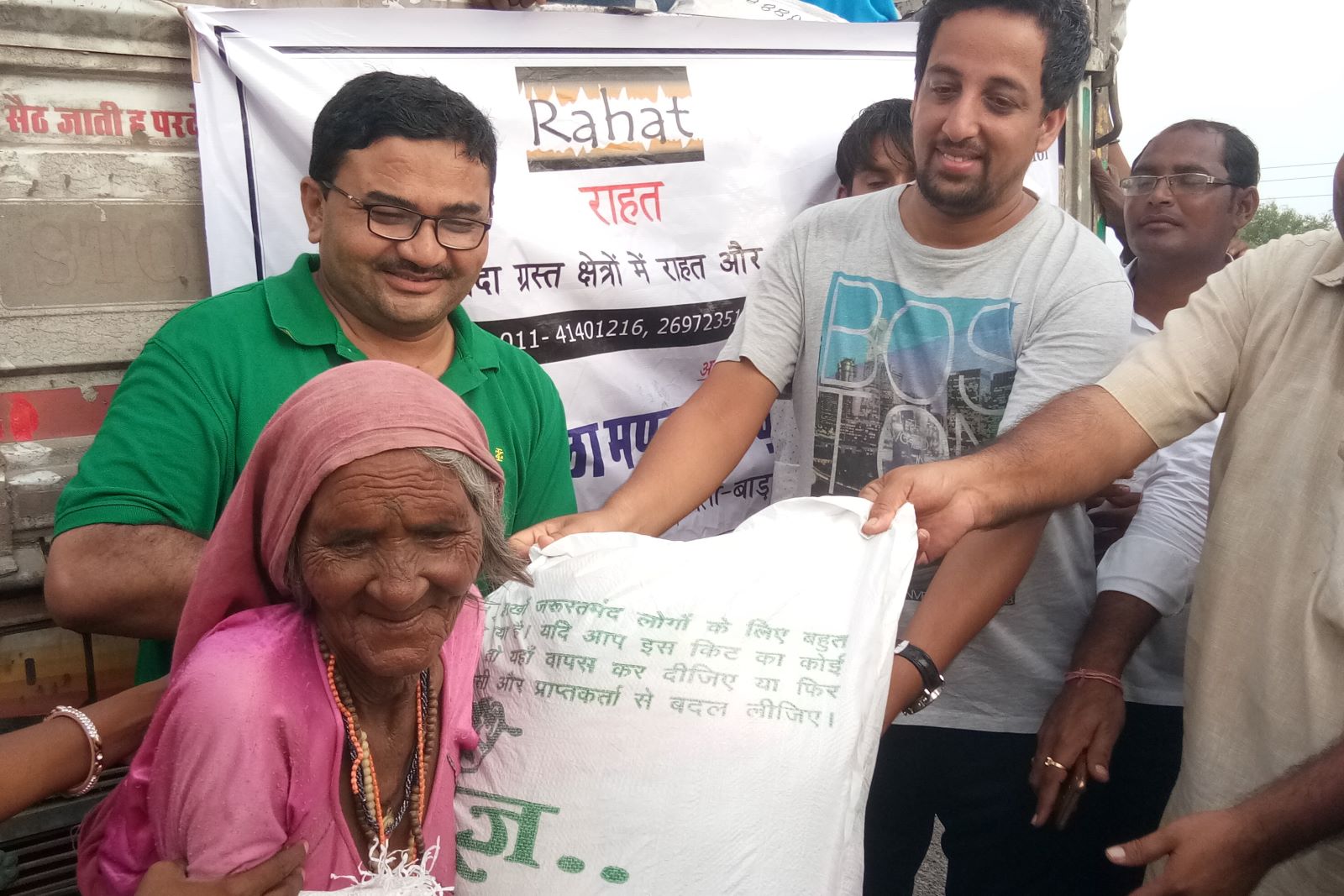
The cumulative impact of MMBA’s decades-long health work manifests in transformed communities where health is no longer accepted as fate but recognized as a right, where mothers deliver safely with trained attendants or at facilities rather than in dangerous home conditions, where children receive timely immunizations protecting them from preventable diseases, where adolescent girls understand their bodies and rights, where communities monitor and demand quality health services, where Traditional Birth Attendants are trained, recognized, and networked, where contraceptives are accessible and family planning is openly discussed, where malaria, anemia, and malnutrition are identified early and addressed, where men share responsibility for reproductive health, where health committees function as permanent accountability structures, and where the poorest and most marginalized—women, Dalits, people with disabilities—access healthcare with dignity.
Every trained Dai is hundreds of safer deliveries. Every functioning Village Health Committee is a community taking ownership of its wellbeing. Every adolescent girl educated on reproductive health is a future mother who will make informed choices. Every wall painted with health messages is a permanent educator. Every pressure group that holds officials accountable is democracy functioning as intended. MMBA’s health work demonstrates that even in the harshest conditions, with the most limited resources, comprehensive community-based health interventions can save lives, prevent suffering, and create cultures of health that transform generations.