
Mahila Mandal Barmer Agor advances education in western Rajasthan, empowering girls, school dropouts, and marginalized communities through formal and non-formal learning, bridging access gaps, fostering motivation, and enabling lifelong transformation.
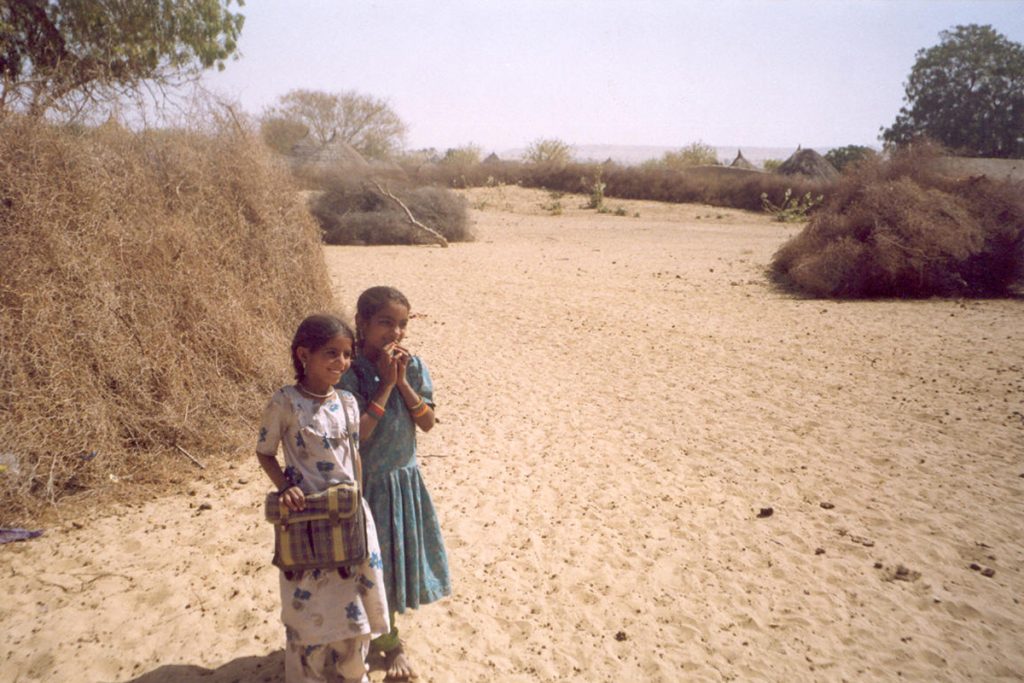
Access to quality education is a fundamental right, yet for many in the remote regions of western Rajasthan—particularly girls, school dropouts, and marginalized communities—this remains a distant dream. At Mahila Mandal Barmer Agor (MMBA), education is not just a sectoral intervention—it is a transformative tool for equality, empowerment, and social justice. Our efforts span both formal and non-formal education, bridging access gaps, building motivation, and enabling lifelong learning, especially among adolescent girls and women.
Our Philosophy: Education as Empowerment
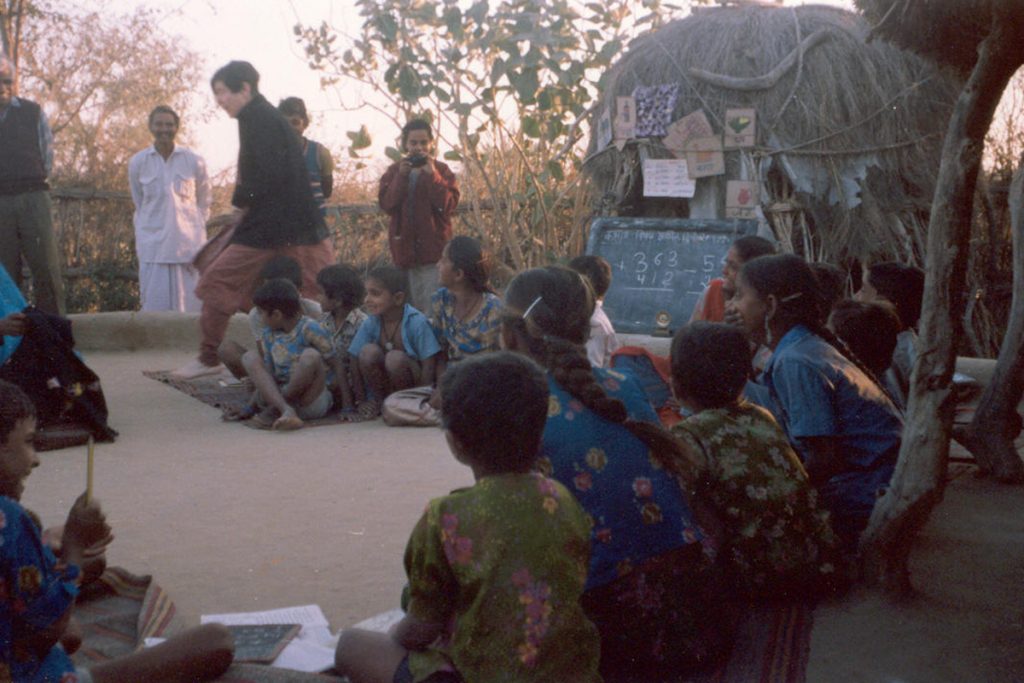
MMBA sees education not merely as classroom learning but as a process that enhances voice, confidence, and choice. We work at the grassroots to ensure children—particularly girls and children from marginalized backgrounds—receive the support, guidance, and opportunities they need to learn, grow, and thrive.
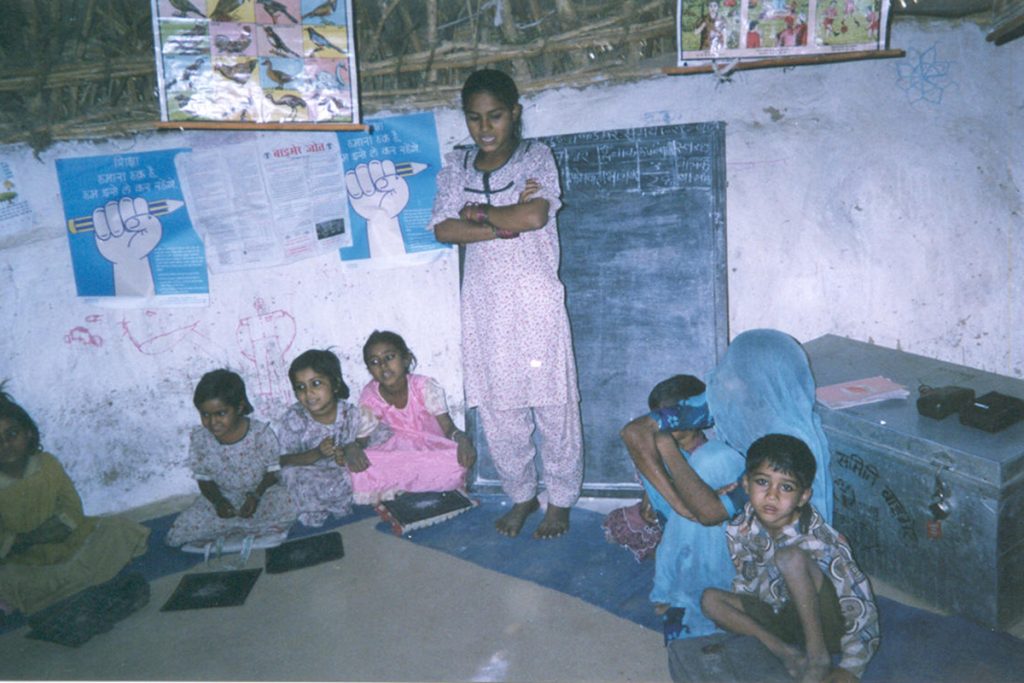
From basic literacy to open schooling and life skills, we build local models of education that are flexible, inclusive, and rooted in community participation.
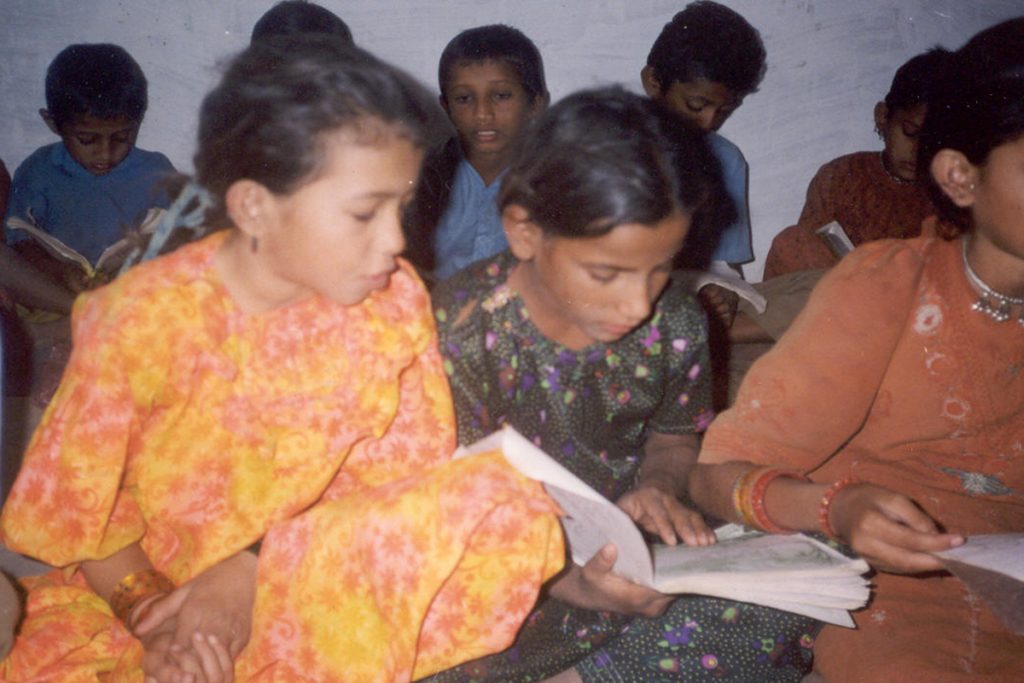
In partnership with Educate Girls, MMBA is implementing the Pragati project in Barmer since July 2023. This unique initiative focuses on girls aged 14–29 years who have dropped out of school before completing Class 10. These girls often face layered barriers—early marriage, poverty, restricted mobility, and lack of family support.
MMBA conducted a comprehensive household survey across Barmer, Chohtan, Ramsar, and Gadra Road blocks, identifying 1,303 eligible girls. As of March 2024:
- 946 learners are enrolled with Rajasthan State Open School (RSOS)
- 65 learning centers have been established across the district
- Girls receive academic coaching for Class 10, along with life skills, digital literacy, financial literacy, and health education
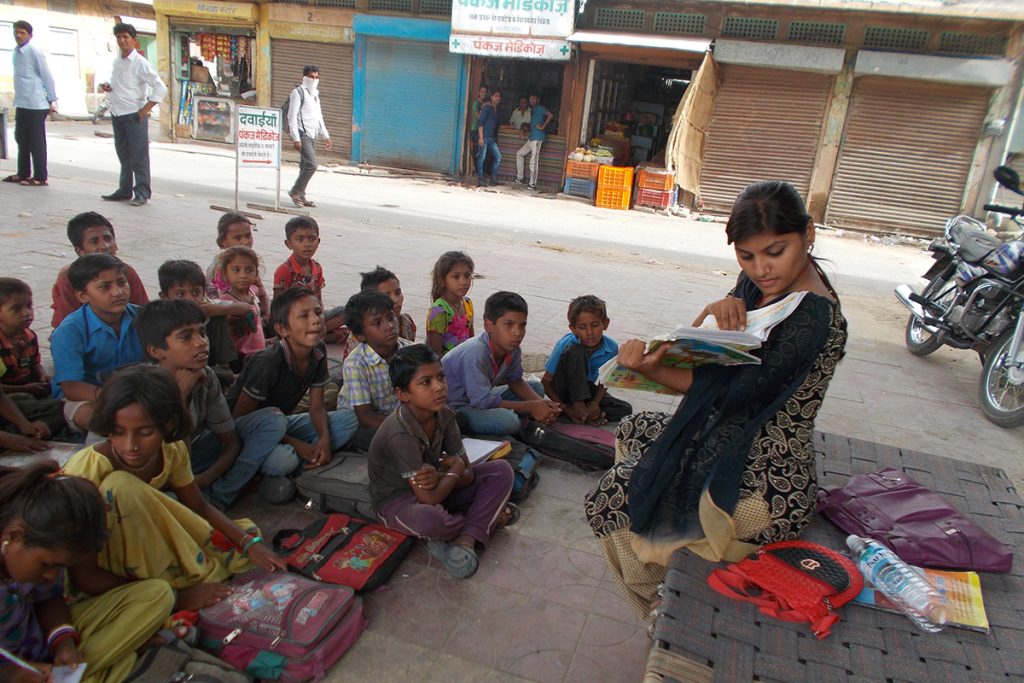
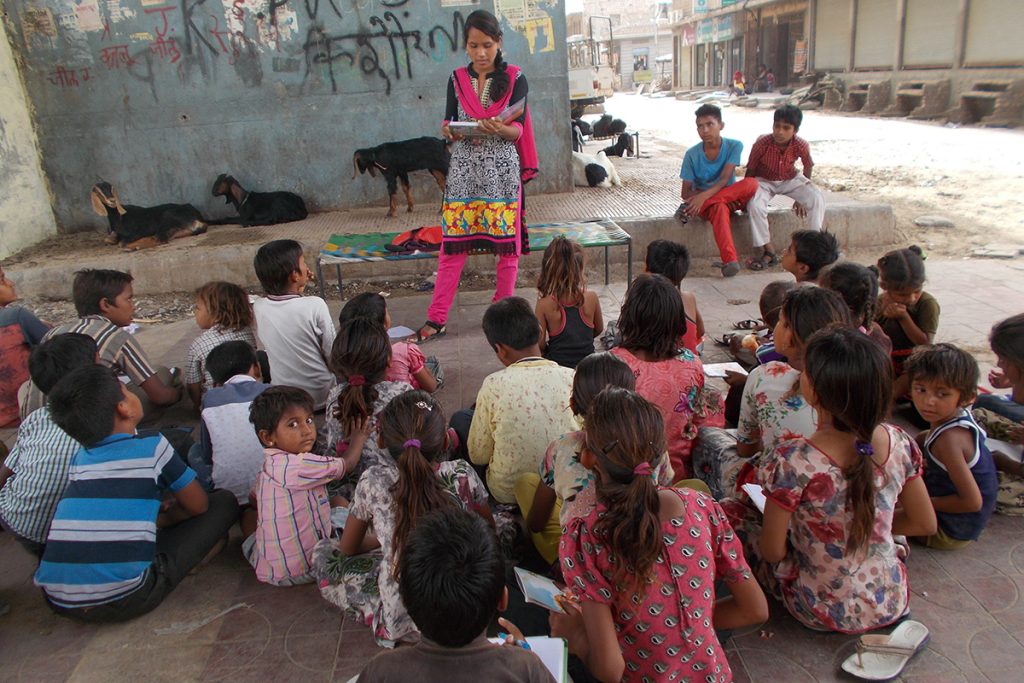
The model is community-based and learner-friendly, with flexible timings and safe spaces that help girls balance domestic responsibilities while continuing their education.
MMBA has been operating the JSS Barmer center under the Ministry of Skill Development and Entrepreneurship to reach non-literates, neo-literates, school dropouts, and marginalized women. JSS programs include:
- Functional literacy (basic reading, writing, and numeracy)
- Vocational skill training in tailoring, beauty culture, food processing, and handicrafts
- Life skills, digital awareness, and health education
- Exposure to government schemes and entrepreneurship opportunities
The JSS approach integrates livelihoods with learning, enabling learners—especially women—to become self-reliant and confident decision-makers in their families and communities.
MMBA regularly conducts community-level interventions focused on adolescent girls, especially those out of school. These workshops cover:
- Menstrual hygiene and reproductive health
- Nutrition, anemia prevention, and body awareness
- Leadership and confidence-building
- Understanding child rights and protection
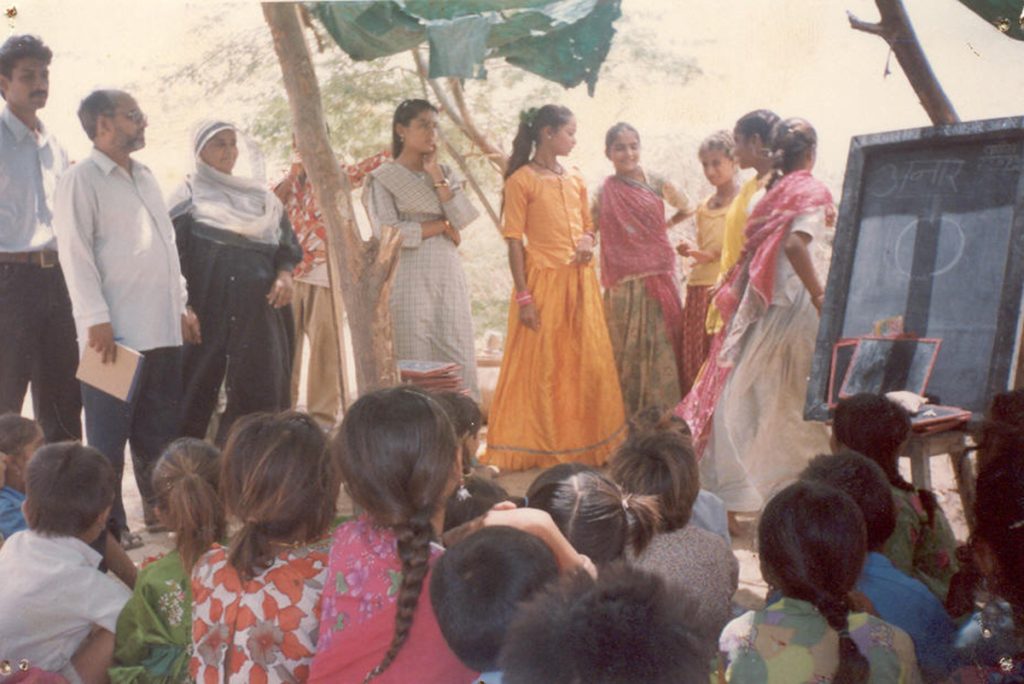
Through participatory sessions, street plays, group discussions, and roleplays, adolescent girls are encouraged to dream beyond traditional boundaries and explore education as a gateway to a better future.
In many of our intervention villages, MMBA has mobilized local women to participate in literacy classes, enabling them to:
- Read and sign their names confidently
- Understand bank procedures, SHG records, and mobile usage
- Support their children’s education
- Engage with Panchayati Raj Institutions and public services
Literacy has become a stepping stone for participation, leadership, and inclusion in local development processes.
MMBA strengthens community ownership of education through:
- Formation of Village Education Committees (VECs) in partnership with Panchayats
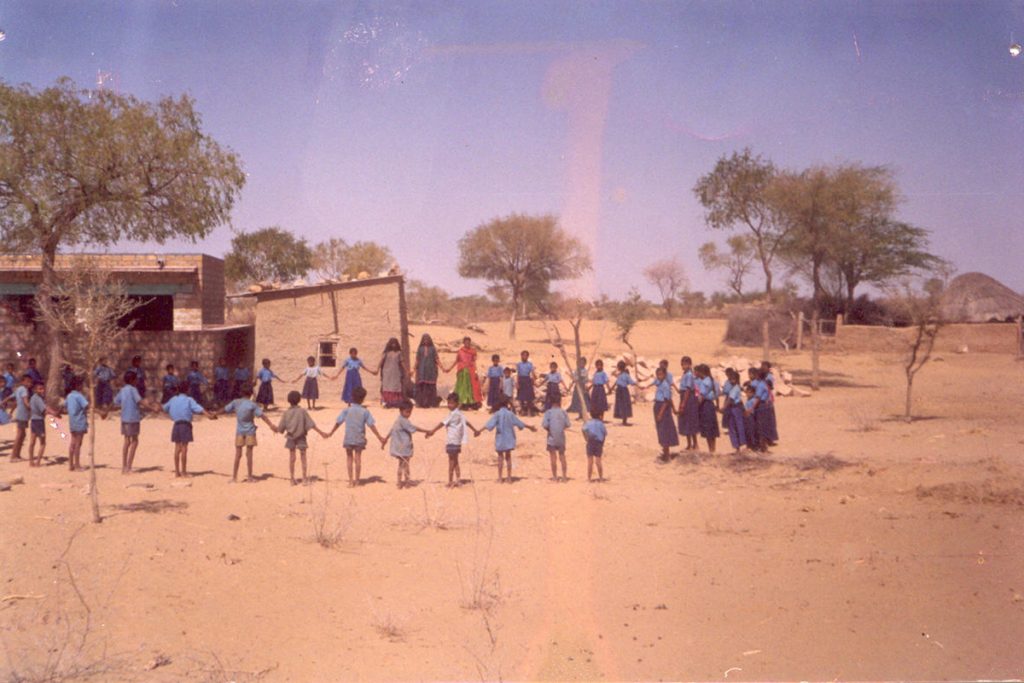
- School-level awareness campaigns for enrollment, retention, and learning outcomes
- Collaboration with government schools and Block Education Offices
- Follow-up on Out-of-School Children (OoSC) and ensuring their mainstreaming
Our teams work closely with parents and community leaders to challenge harmful norms like child marriage, early dropout, and gender-based discrimination in education.
For young women who cannot rejoin mainstream schools due to age or social restrictions, MMBA promotes open schooling through RSOS and NIOS. Learners are supported with:
- Academic mentoring in Hindi, English, Maths, and Social Science
- Study materials, model papers, and practice tests
- Life skills, digital literacy, and financial awareness
- Orientation on further education and career options
We are also exploring tablet-based learning, WhatsApp study groups, and video-based modules to bridge the digital divide and make learning more accessible.
Impact Snapshot
- 1,000+ dropout girls supported to resume education through open schooling
- 300+ women annually benefitting from literacy and basic education
- Adolescent girls in 50+ villages reached through awareness workshops
- Village committees formed to ensure school monitoring and accountability