
In the arid expanse of western Rajasthan, where opportunities are as sparse as the desert rain, Mahila Mandal Barmer Agor has spent three decades transforming lives through skill development and livelihood programs.
Since 1991, we have believed in a fundamental truth: when people stand on their own feet through self-employment, they contribute directly to nation-building. Our work goes beyond training; it creates pathways to dignity, economic independence, and sustainable futures for the most marginalized communities across rajasthan
Skill development remains our cornerstone strategy, designed to harness the potential of Rajasthan’s youngest workforce. We recognize that India’s demographic advantage—with an average age of 29 years—can only become an asset when youth are equipped with market-relevant skills. Otherwise, this potential transforms into a liability. Through partnerships with central and state government ministries and departments, MMBA has trained thousands of youth and women, creating a ripple effect of economic empowerment across rural Rajasthan.
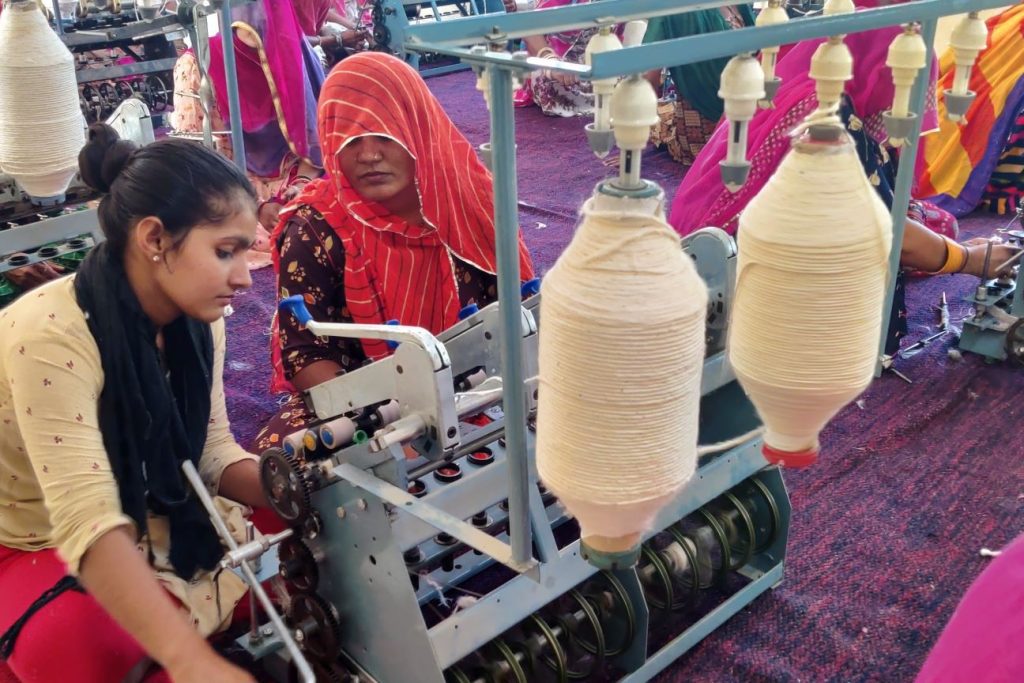
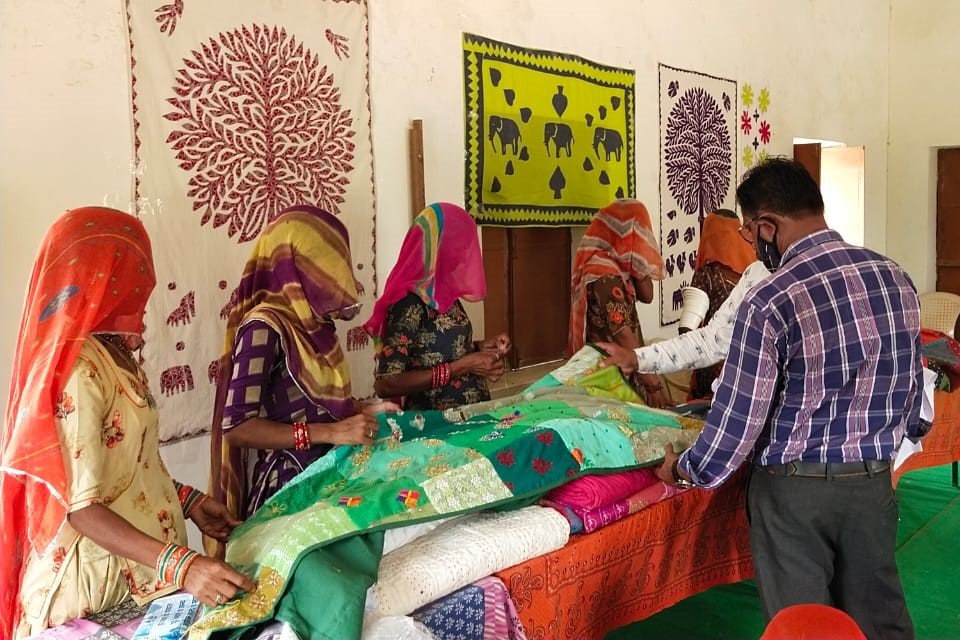
Our approach is dual-pronged. For unemployed youth, school dropouts, and out-of-school youth, we provide fresh skilling programs following guidelines from the Ministry of Skill Development and Entrepreneurship, the National Skill Development Corporation, and respective Sector Skill Councils. For artisans already engaged in traditional crafts production, we offer skill upgradation training to meet current market demands. These artisans learn design development, market linkage strategies, institutional development, quality improvement, value addition, and communication skills—transforming their centuries-old craft into competitive contemporary products.
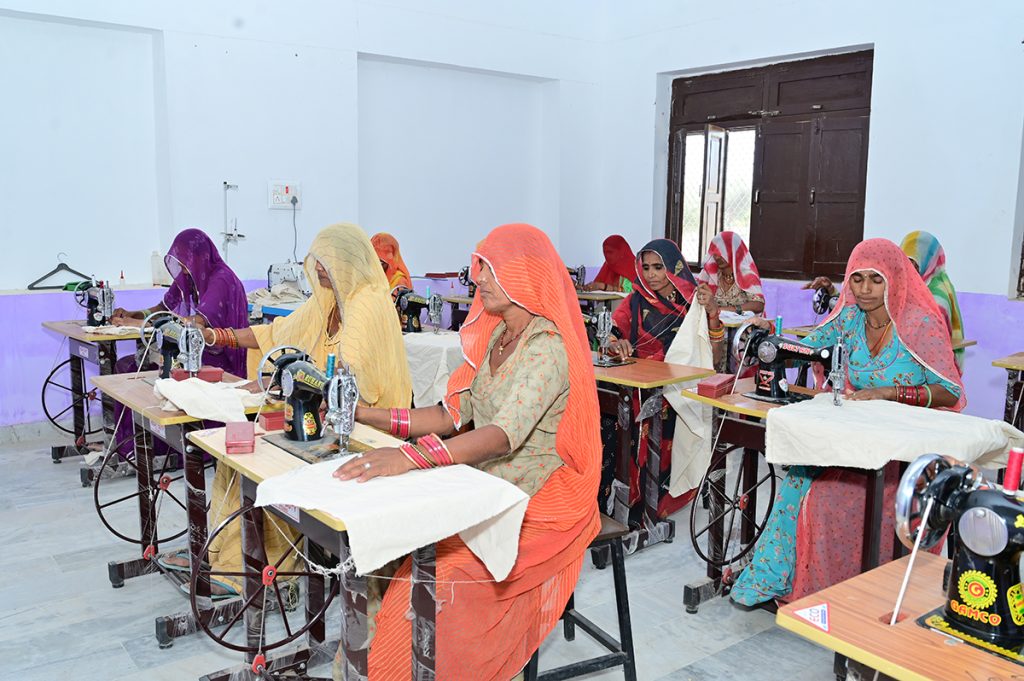
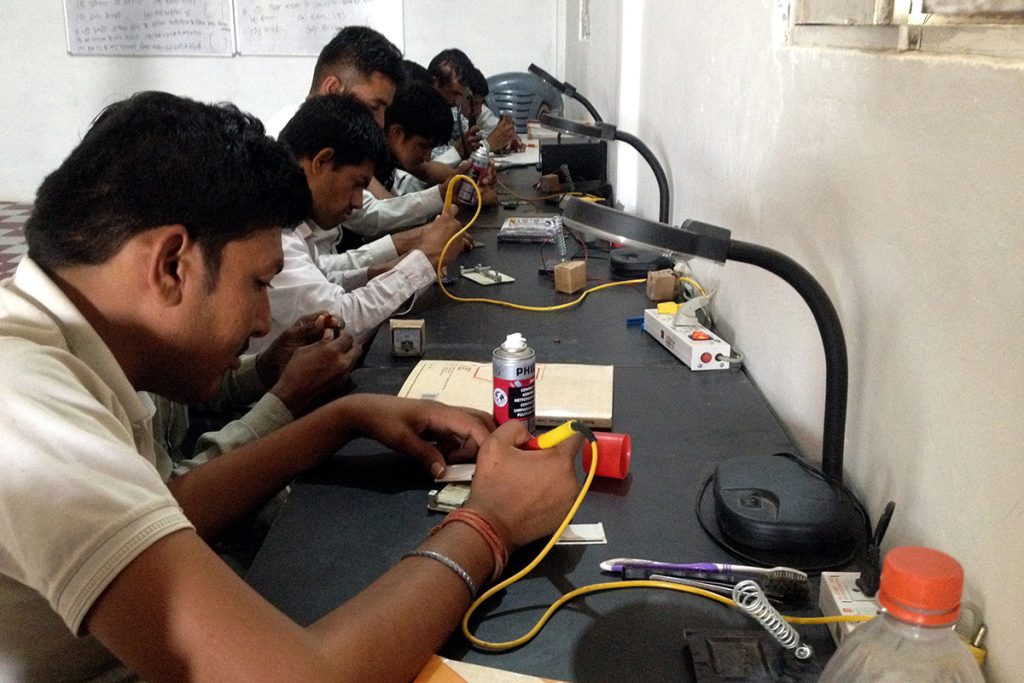
The training ecosystem at MMBA spans diverse job roles carefully selected based on market demand and community strengths. Over the years, we have provided training in Domestic Data Entry Operator, Domestic IT Helpdesk Attendant, Handset Repair Engineer, Hand Embroiderer, Sewing Machine Operator, Handloom Weaver, Fashion Designer, Dairy Farmer/Entrepreneur, Traditional Hand Embroidery, Kantha Work, and Appliqué. Each program is designed not merely to impart skills but to ensure employment outcomes—approximately 60% of our trainees secure either self-employment or wage employment, with continued support for additional placements.
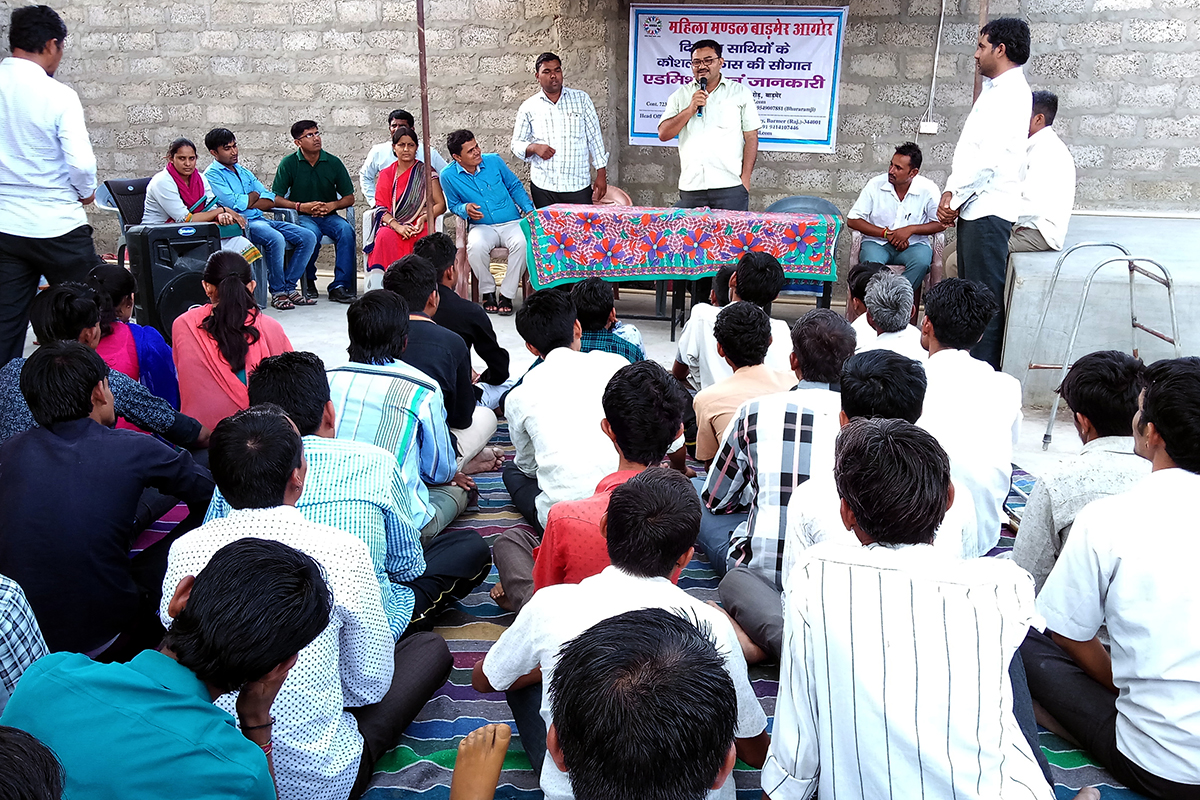
The Navjeevan Skill Development Training program, supported by the Social Justice and Empowerment Department of Rajasthan, targets backward communities and castes for holistic development and livelihood empowerment. Through this flagship initiative, MMBA has trained hundreds of women across multiple districts. In the 2021-22 cycle, 400 women received training in hand embroidery across Barmer and Jalore districts from November through February. The following year expanded significantly—650 women were trained across Barmer, Jalore, and Ajmer districts between October and January, learning hand embroidery, patchwork, and household repairing skills.
What makes Navjeevan transformative is its comprehensive approach. Beyond technical skills, the program addresses dropout children within communities, connects participants with social welfare schemes, generates awareness about voting and civic identity documentation, and provides stipends to each participant. Operating through 26 training centers with 25 beneficiaries each, Navjeevan becomes a catalyst for overall community development, touching lives far beyond the training rooms.
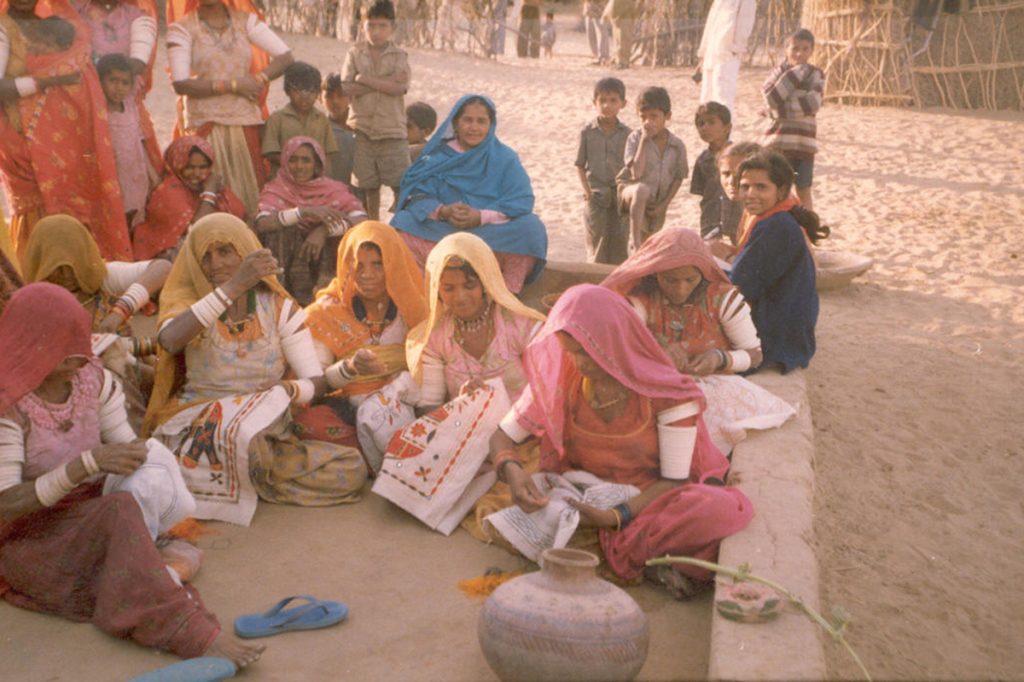
The Upgrading the Skills and Training in Traditional Arts/Crafts for Development (USTTAD) scheme, implemented through the Ministry of Minority Affairs, represents MMBA’s commitment to preserving heritage while ensuring contemporary relevance. Traditional artisans, particularly from the Gagriya cluster, have engaged in skill upgradation training to compete with modern market requirements and ensure sustainable employment. Through Modular Employable Skills (MES) courses, 90 traditional artisans learned not only embroidery techniques but also theoretical foundations of design—line, form, space, rhythm—along with sketching, motif development, color schemes, and general awareness that expands their worldview.
These training centers become spaces of transformation. Women who once worked in isolation, dependent on middlemen and NGOs, now understand exhibition dynamics, trade fair participation, inter-cluster communication, and direct engagement with traders and consumers. Master craftspeople trained through USTTAD become trainers themselves, creating a multiplier effect where knowledge flows organically through communities.
The Seekho Aur Kamao (Learn and Earn) scheme from the Ministry of Minority Affairs has enabled MMBA to train 250 minority youth in two critical trades: Domestic Data Entry Operator and Fashion Designer. This 400-beneficiary program targets economic empowerment through market-aligned skills, ensuring that disadvantaged minority youth find pathways to dignified employment and entrepreneurship. The fashion designer trade, in particular, connects traditional craftsmanship with contemporary design sensibilities, preparing youth to compete in urban markets.
The Deen Dayal Upadhyaya Grameen Kaushalya Yojana (DDU-GKY), India’s most acknowledged skill development program implemented in collaboration with the Rajasthan Skills and Livelihoods Development Corporation (RSLDC), represents MMBA’s commitment to transforming rural youth lives. Targeting 300 rural youth aged 18–35 years, this residential training program in Domestic Data Entry Operator trade spans 400 days of comprehensive skill-building. MMBA trained 110 girls and 190 boys, providing not just technical skills but the soft skills, confidence, and market understanding needed for sustainable employment in competitive job markets.
Through Pradhan Mantri Kaushal Vikas Yojana (PMKVY) 4.0, a flagship initiative of the Ministry of Skill Development and Entrepreneurship, MMBA has trained 1,920 rural women across culturally significant sectors. The program encompassed four high-demand job roles: Sewing Machine Operator with 480 candidates trained over 300 hours, Hand Embroiderer (Addawala) with 480 candidates over 330 hours, Traditional Hand Embroiderer with 480 candidates over 600 hours, and Appliqué Artisan with 480 candidates over 420 hours. All candidates were registered through the Skill India Digital platform, ensuring transparency and formal recognition. This initiative not only preserved traditional crafts but boosted local livelihoods by creating self-employment and wage-based job opportunities.
The Scheme of Fund for Regeneration of Traditional Industries (SFURTI), implemented through the Ministry of Micro, Small and Medium Enterprises in collaboration with the Khadi and Village Industries Commission (KVIC), focuses on holistic cluster development of Phulkari embroidery artisans. The interventions emphasize skill enhancement, technology upgradation, market linkages, and infrastructure improvement. MMBA created a balance between traditional skills and modern techniques, making artisanal products competitive in both domestic and international markets while raising income levels and improving product quality.
Recognizing that India’s 2.68 crore Persons with Disabilities (2.21% of the population) face lower education accomplishments, poorer health conditions, higher poverty rates, and less economic engagement, MMBA has provided skills training to 500 Persons with Disabilities in job roles tailored to market demands. These include Domestic IT Helpdesk Attendant, Handset Repair Engineer, Sewing Machine Operator, Hand Embroiderer, Handloom Weaver, Domestic Data Entry Operator, and Dairy Farmer/Entrepreneur. The training not only improved employability but boosted confidence and independence. Participation in Haat Melas across cities enabled Persons with Disabilities to showcase handmade items, earn significant incomes, and gain market recognition. MMBA also linked them with relevant government schemes for financial aid, healthcare, and other benefits.
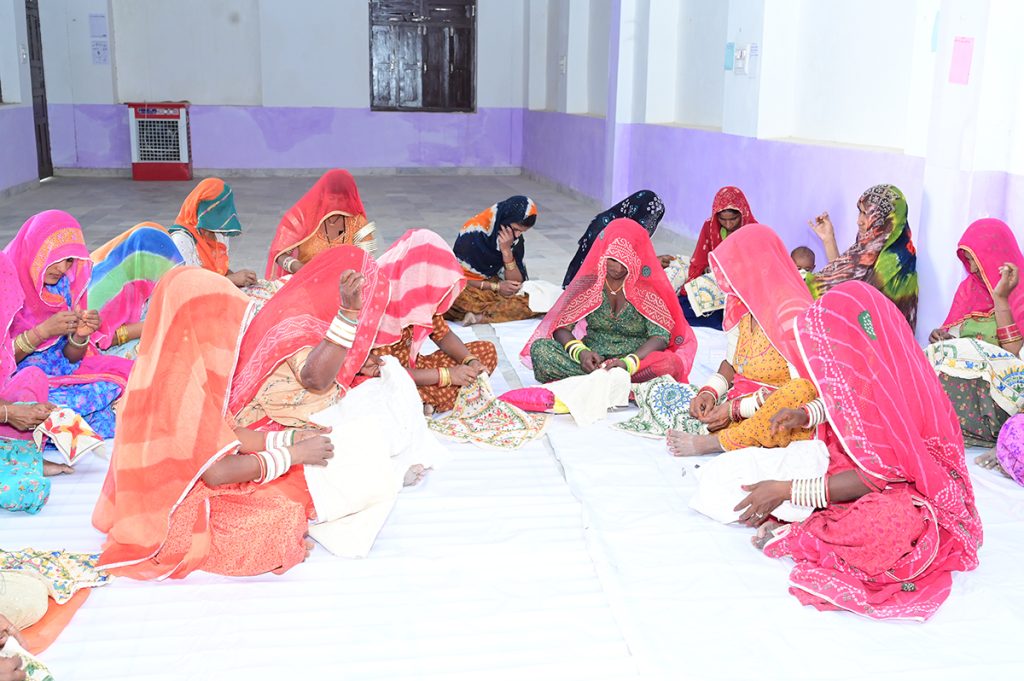
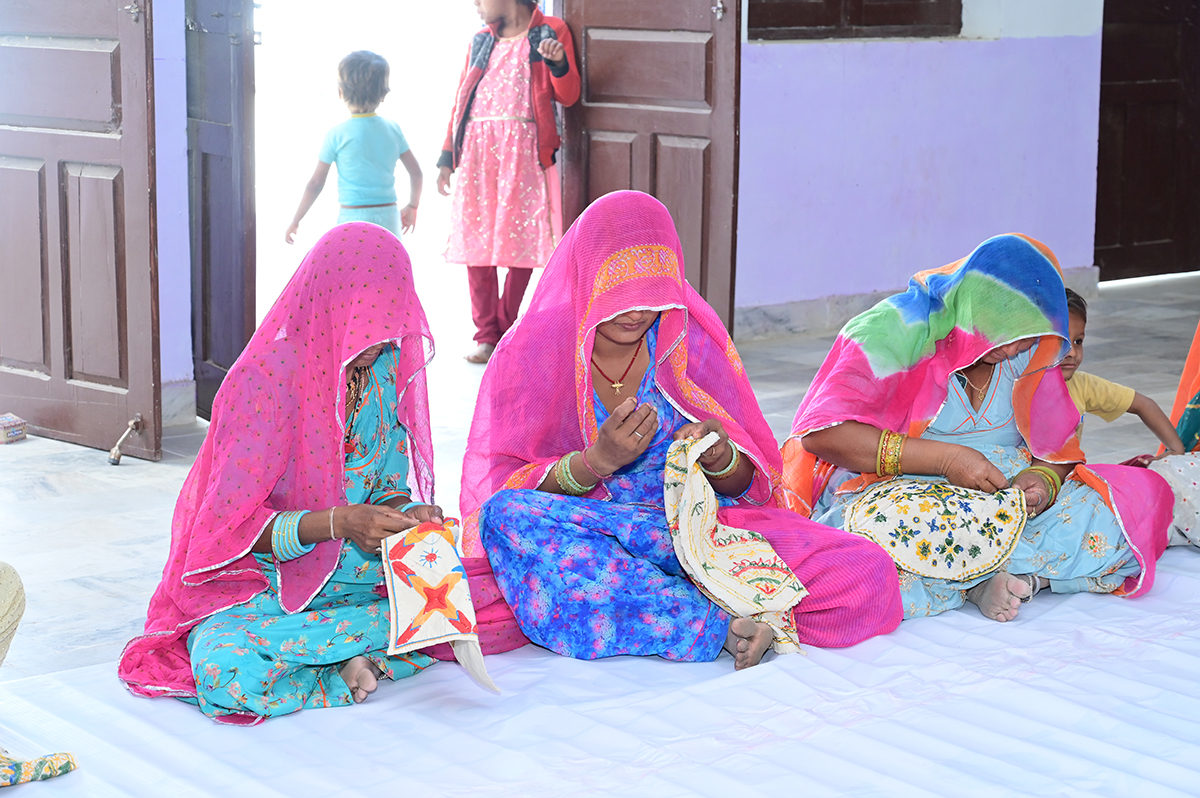
Rajasthan’s handicraft heritage pulses through MMBA’s artisan development programs. The embroidery work of Barmer and surrounding areas carries centuries of cultural memory—flowers and creepers patterned against dark backgrounds, small round mirrors fixed with buttonhole stitches, silken threads creating stem and herringbone designs. These crafts, once created leisurely for wedding gifts, now represent viable livelihoods for hundreds of families.
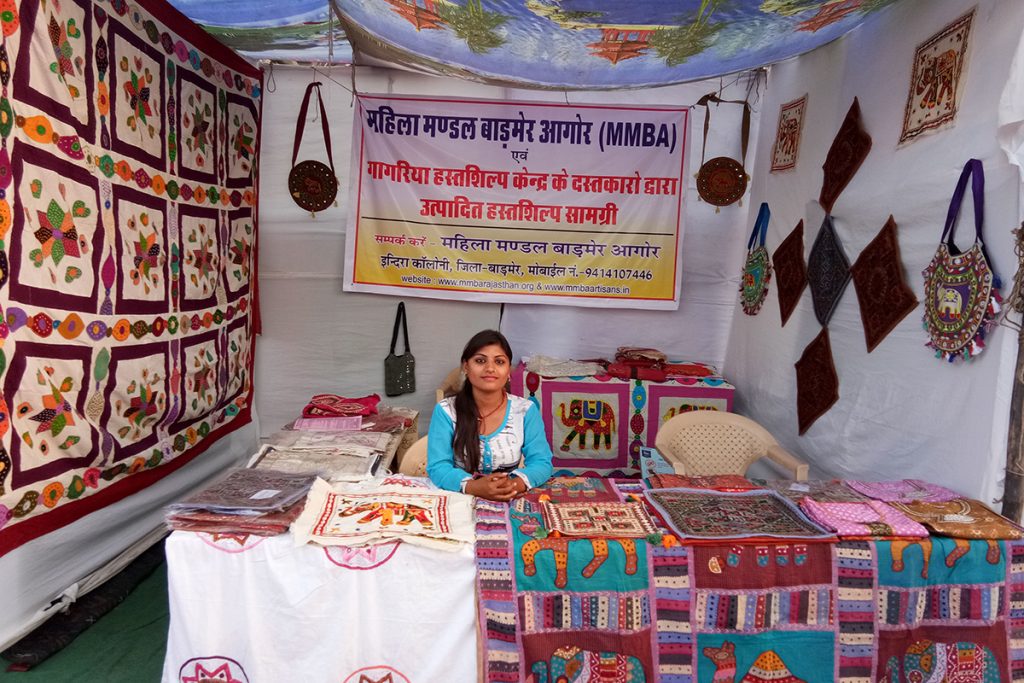
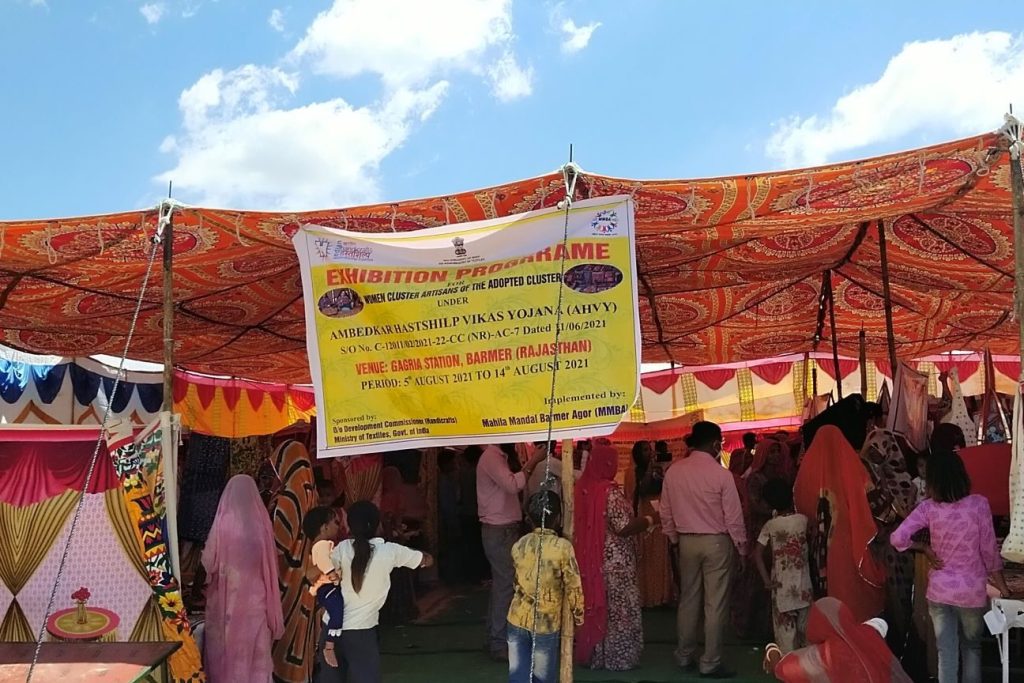
Through support from the Ministry of Textiles under the Development Commissioner (Handicrafts), MMBA has trained 500 women artisans annually, providing not just skills but critical market access through Haat Bazaars and specialized fairs. The organization has formed 45 Self Help Groups collectively generating business and supporting mutual development through regular handholding meetings. These SHGs participate in trade fairs across the country, from Delhi to Mysore, Mumbai to Pune, where their handmade products—bed covers, cushion covers, scarves, table cloths, suits, blankets, raliya, curtains, mobile covers, bags, file covers, and decorative items—attract customers through beautiful color combinations, unique designs, and authentic traditional artistry.
Under cluster development projects, MMBA works with 890 handicrafts artisans across 20 villages in Barmer district, providing Common Facility Centers equipped with Raw Material Banks, tools, equipment, machinery, training facilities, marketing channels, advertising platforms, and design and technical development support. The Sheo and Gagriya clusters have become models of artisan collectivization, where 600 women artisans united into Self Help Groups receive capacity-building training, design development workshops, and exposure visits.
Market Linkages and Economic Impact
MMBA’s livelihood programs extend far beyond training rooms into vibrant market spaces. The organization provides platforms for artisans through Haat Bazaars, where rural women directly engage with urban consumers. Media and documentary support amplifies artisan voices—case studies, struggles, solutions, success stories, and interviews become tools for education and market promotion. One compelling example is Ms. Kesar Kumari, who began as a trainee in appliqué artisan training and transformed into a trainer herself. Her courage, learning ability, and confidence—nurtured during training—enabled her to take responsibility efficiently. Today, her community recognizes her as a leader and guiding force, setting an example of success among women fellows.
The organization facilitates access to raw materials, tools, equipment, and collective production systems. Technology-based marketing and sales channels are being developed to connect products directly with end customers and exporters, eliminating exploitative middlemen. This comprehensive ecosystem—training, collectivization, market access, design development, quality control, and brand building—ensures that increased sales and demand build artisan morale while benefiting them socioeconomically.
Impact and Reach
Over recent years, MMBA’s skill development and livelihood programs have empowered over 1,000 women annually across various projects. Training numbers have consistently grown—760 youth trained in one year, 550 beneficiaries from SC/ST communities in another, with more under training at any given time. The consistent 60% employment linkage rate demonstrates program effectiveness, though MMBA continues working to place the remaining trainees. Beyond numbers, the transformation is visible in women stepping into leadership roles, artisans commanding better prices, youth migrating less for work, and communities becoming economically resilient.
In the harsh desert landscape where survival itself is a daily negotiation, MMBA’s skill development and livelihood programs have become lifelines—connecting tradition with modernity, rural skills with urban markets, marginalized communities with dignified employment, and ancient crafts with contemporary consumers. Each trained hand, each formed Self Help Group, each market linkage represents not just economic transaction but the restoration of dignity, the assertion of agency, and the building of futures where possibility replaces poverty.