
For over three decades, Mahila Mandal Barmer Agor has worked at the intersection of traditional wisdom and modern solutions to address the water insecurity, hygiene challenges, and dignity-related issues that affect especially women, children, and marginalized groups.
In the harsh and arid terrain of western Rajasthan, where access to water is a daily struggle and sanitation infrastructure remains underdeveloped, MMBA has been a lifeline for countless communities.
MMBA’s work in water and sanitation is grounded in deep local knowledge, strong community partnerships, and a commitment to reviving traditional water wisdom. We focus on building sustainable structures, promoting behavioural change, and empowering women and youth to lead WASH (Water, Sanitation & Hygiene) action in their villages.
We view water not just as a resource, but as a key determinant of health, livelihood, and gender justice. Our interventions are designed to reduce drudgery, improve sanitation, and enable communities to manage their own water systems with pride and ownership.
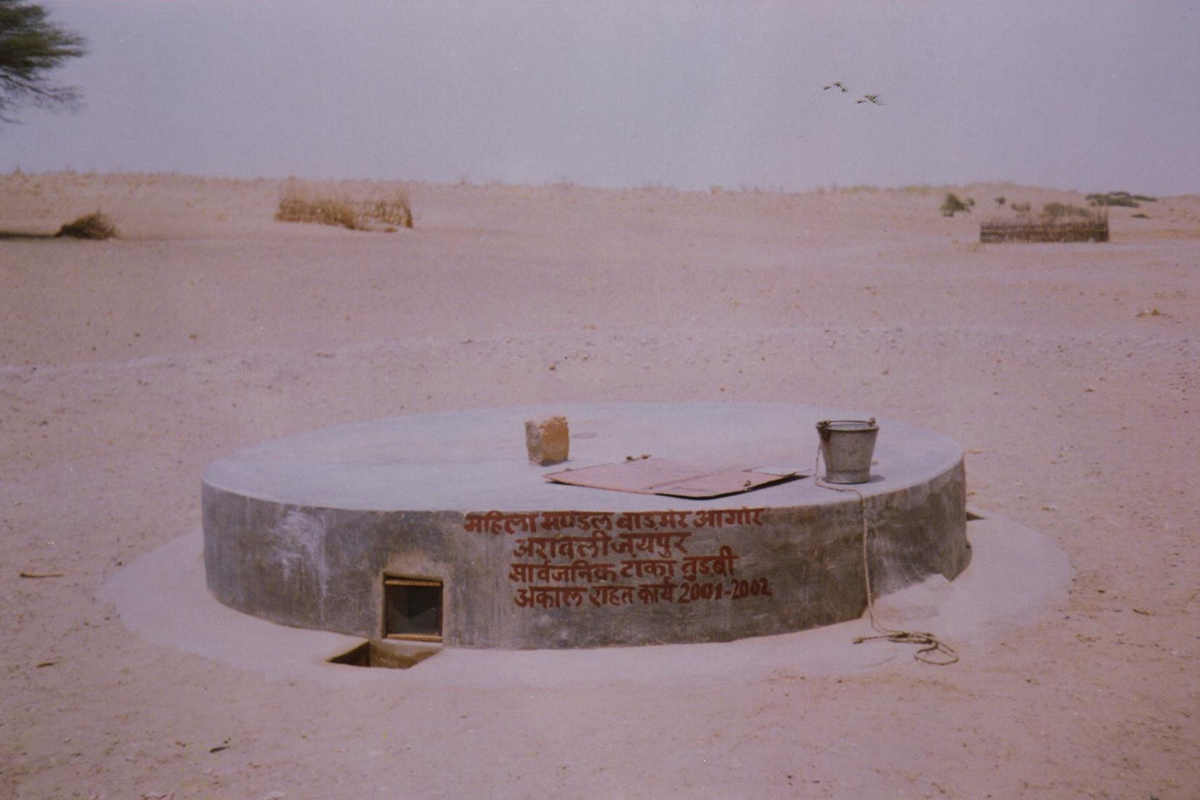
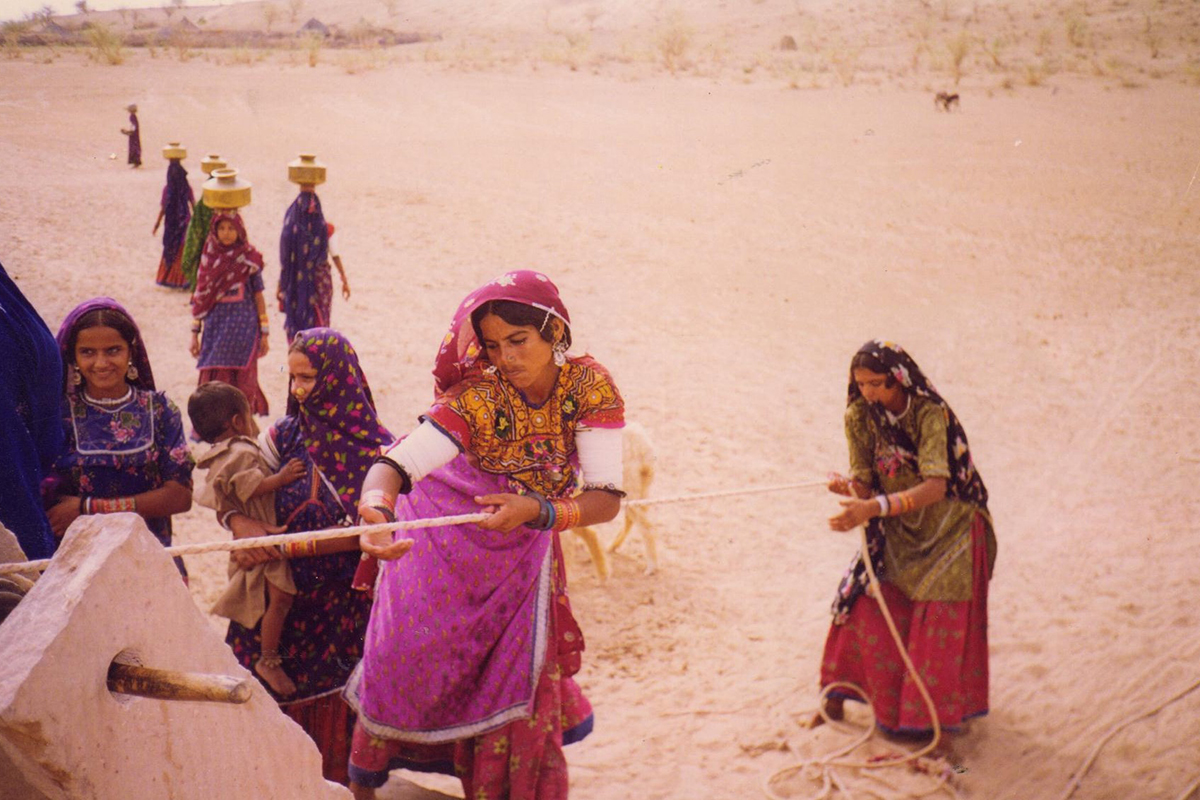
In a region where rainfall is scarce and erratic, MMBA has revived and promoted traditional water harvesting structures like:
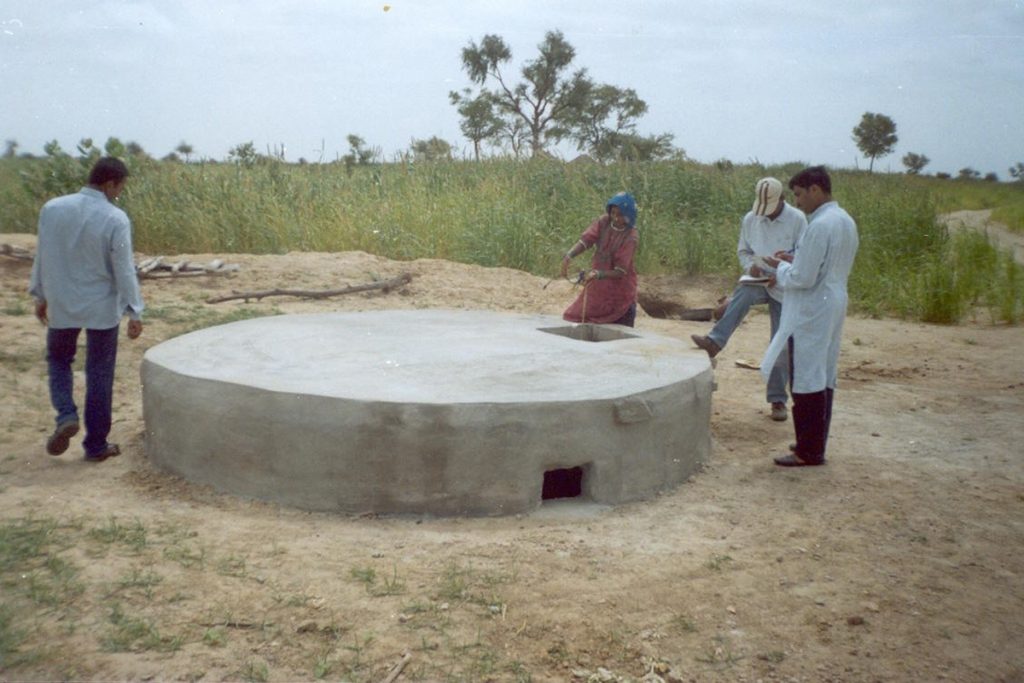
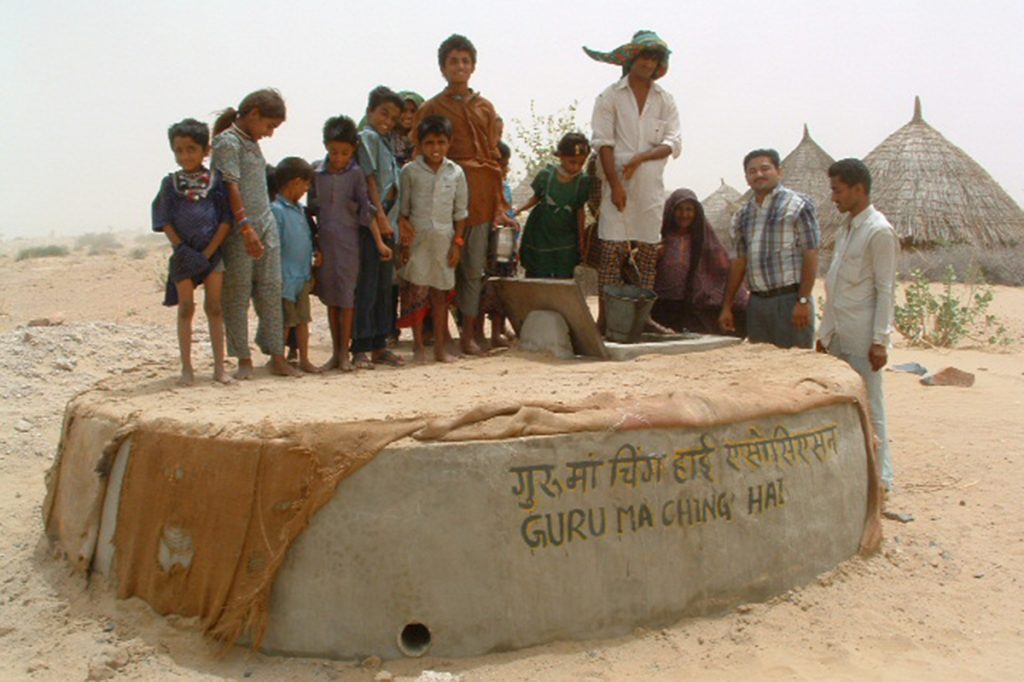
- Tanka: Dome-covered underground water storage tanks, essential for storing rainwater for household use.
- Tankli: Smaller personal water storage units, especially useful for families without access to larger tanks.
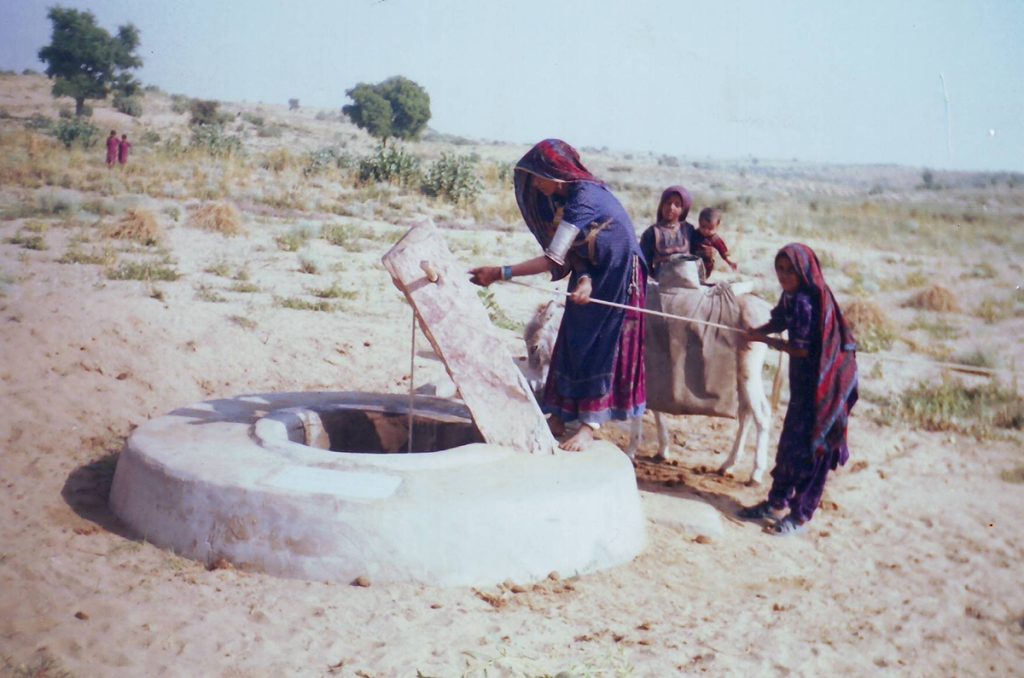
- Beris and Nadis: Traditional wells and village ponds rejuvenated through community efforts.
By supporting the construction and renovation of these age-old systems, MMBA has helped reduce women’s burden of walking long distances to fetch water and ensured year-round availability of potable water, even in drought years.
Barmer and adjoining districts are frequently affected by severe drought and water scarcity. During such crises, MMBA has been at the forefront of:
- Organizing water distribution drives in coordination with district authorities
- Running fodder camps to support livestock and livelihoods
- Repairing and desilting community tanks and handpumps
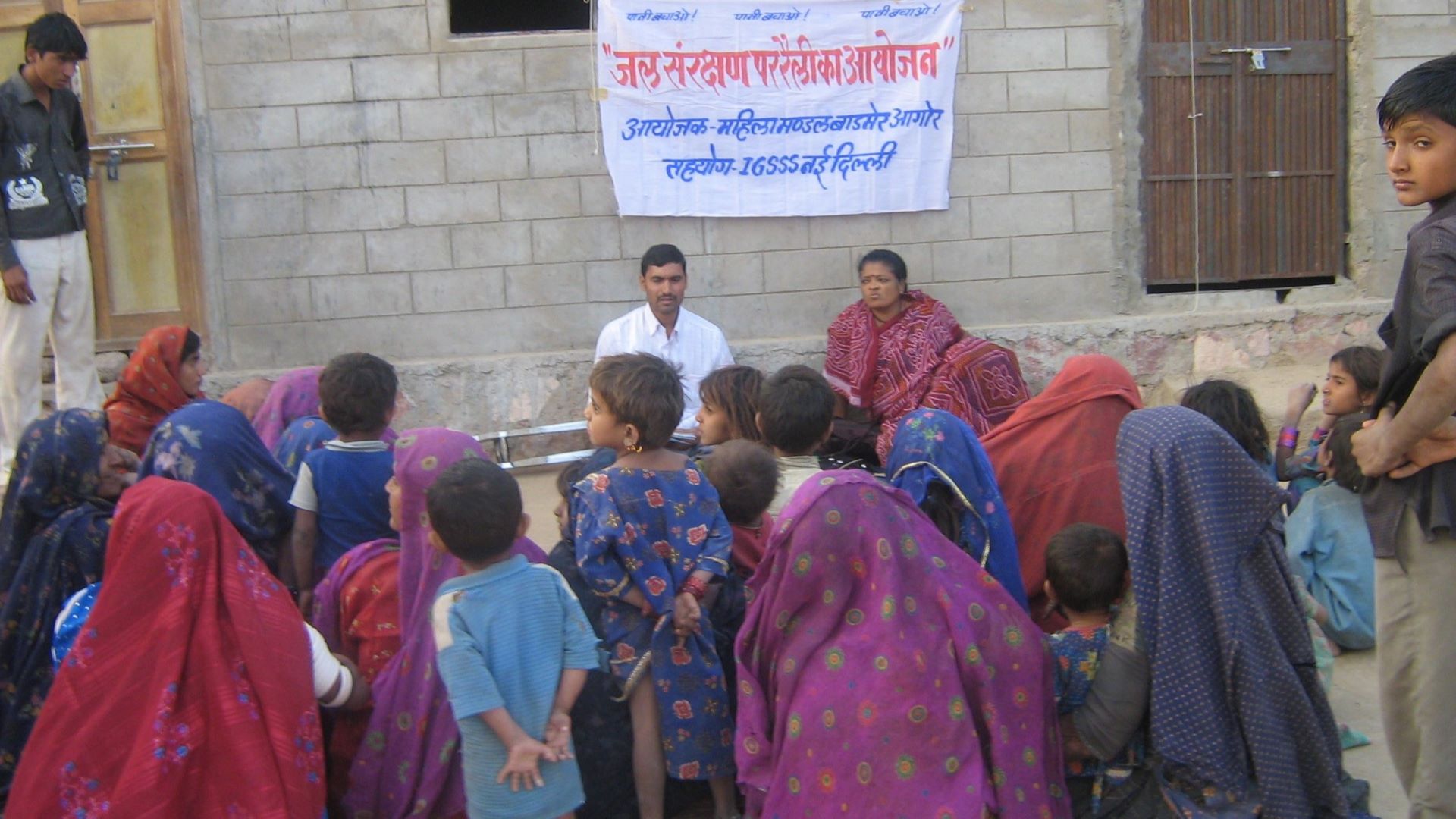
- Mobilizing SHG women and youth for water conservation awareness
Our drought mitigation work is not just reactive—it is preventive and resilience-focused, ensuring villages are better prepared for the next dry spell.
Access to toilets, clean water, and hygiene awareness is crucial for the dignity and health of rural populations—especially for women and girls. MMBA’s WASH interventions include:
- Awareness campaigns on handwashing, menstrual hygiene, toilet usage, and clean water practices
- Sanitation drives during public events, schools, and community gatherings
- Support in toilet construction and usage under SBM and local schemes
- Safe water education to prevent water-borne diseases
Women and adolescent girls are trained as WASH champions, spreading awareness in their neighborhoods and ensuring sustained adoption of hygiene practices.
Schools are an important entry point for changing attitudes. MMBA engages with children and youth through:
- School-based handwashing campaigns
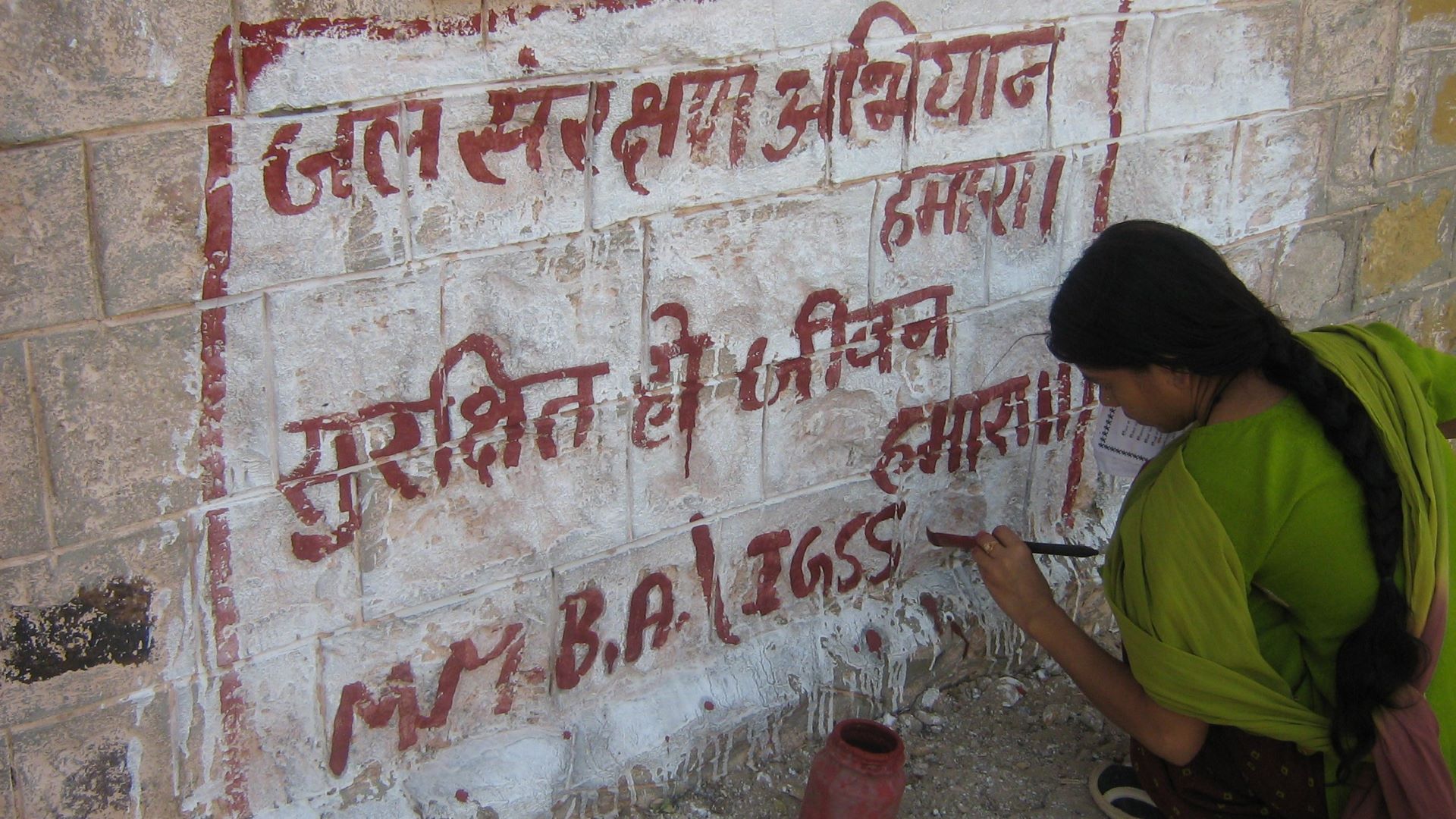
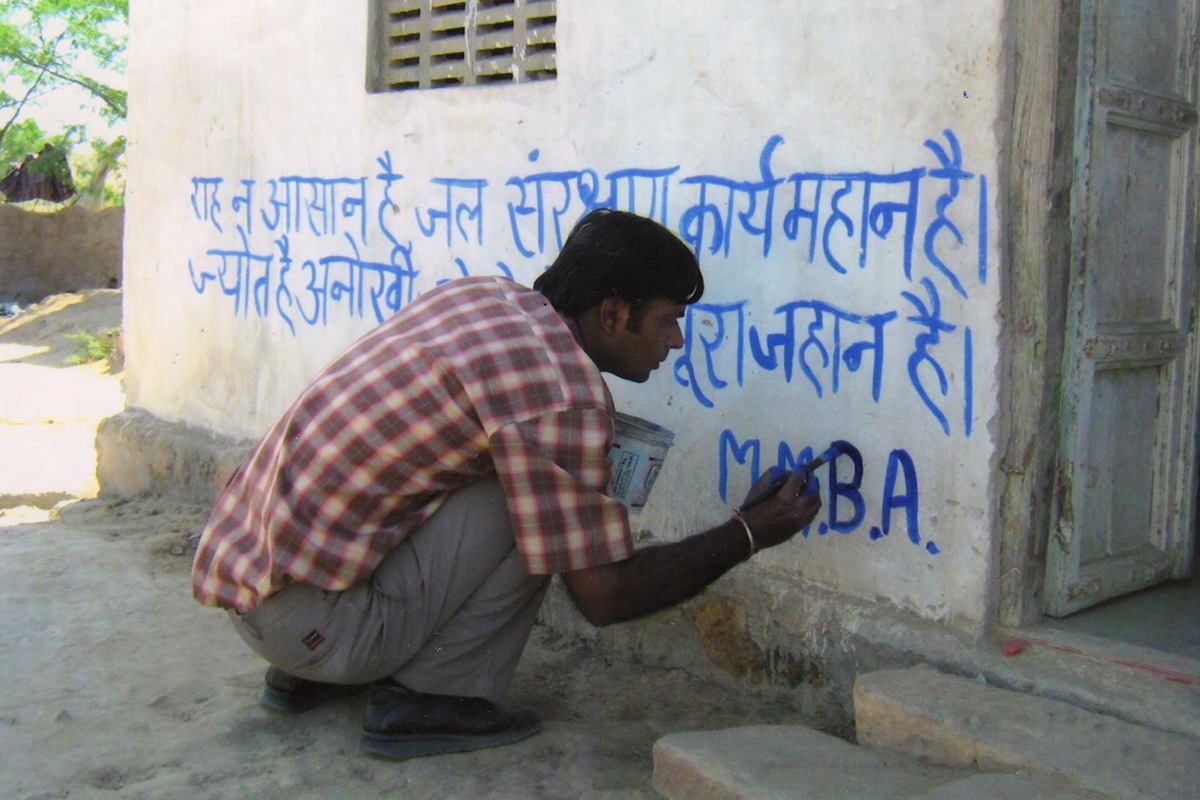
- Painting and slogan-writing competitions on water conservation
- Formation of eco-clubs and child leaders to track water usage and cleanliness in schools
This helps inculcate lifelong hygiene behaviours and positions youth as active stewards of their environment.
Health Linkages
Lack of clean water and sanitation directly impacts women’s health, particularly during menstruation, pregnancy, and child-rearing. MMBA integrates its water and sanitation efforts with its maternal and adolescent health programs:
- Creating women’s health groups to discuss hygiene and sanitation
- Promoting sanitary pad usage, proper disposal, and clean bathing spaces
- Supporting ANC/PNC check-ups with water and sanitation education
Clean water availability has also contributed to reduced anemia and improved nutrition outcomes by enabling kitchen gardens and safe food preparation.
Community Ownership and Governance
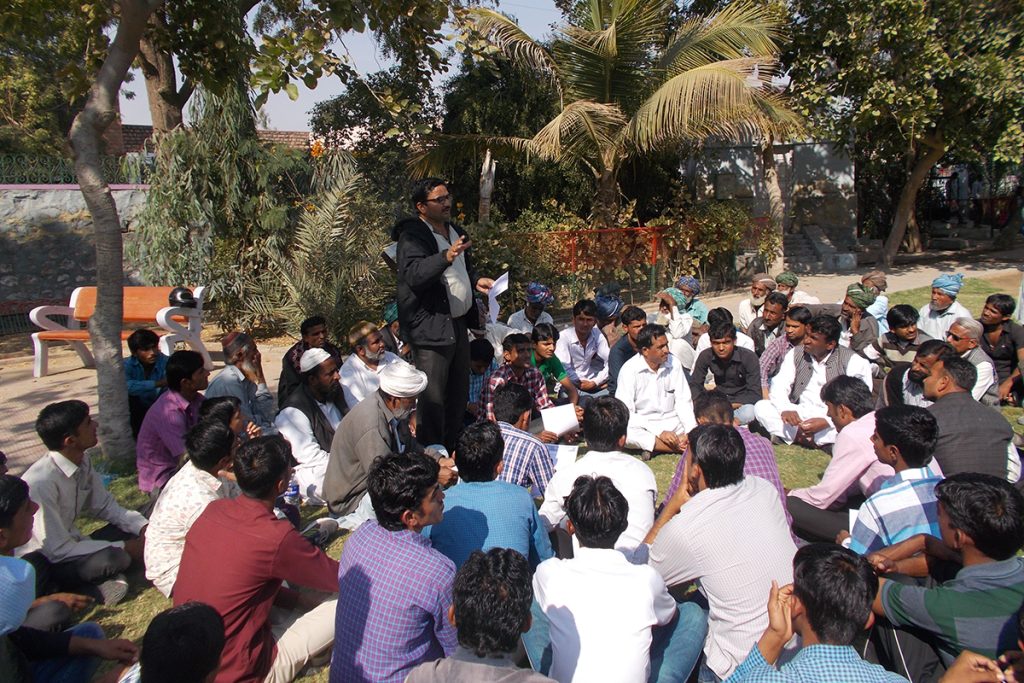
A core principle in MMBA’s water and sanitation work is that communities must lead and sustain these efforts. Hence, we:
- Form Village Water and Sanitation Committees
- Train women and youth in basic maintenance of tankas and handpumps
- Facilitate micro-planning for village water budgeting and access mapping
- Integrate water access planning in Gram Sabha development plans
This ensures long-term ownership, better maintenance, and reduced dependency on external agencies.
Impact Highlights
- Hundreds of tankas and tanklis constructed or renovated across Barmer and nearby districts
- Thousands of women and girls now have access to safe drinking water at home
- Reduction in school absenteeism among girls due to improved hygiene facilities
- Visible behavioural shifts around handwashing, menstrual hygiene, and toilet use
- Water harvesting contributing to small-scale kitchen gardening, improving nutrition